Sunglasses Manufacturer | OEM & ODM Eyewear Factory | Seesun
Sunglasses Manufacturer | OEM & ODM Eyewear Factory | Seesun
SEESUN’s material range covers Acetate, metal, titanium, buffalo horn, wood, carbon fiber,TR90 and other materials, including sunglasses, optical glasses, sports glasses and smart glasses.


Acetate · Metal · Titanium

Horn · Carbon Fiber · Wood

Optical · Sports · Smart

OEM · ODM · Private Label
CORE MATERIALS
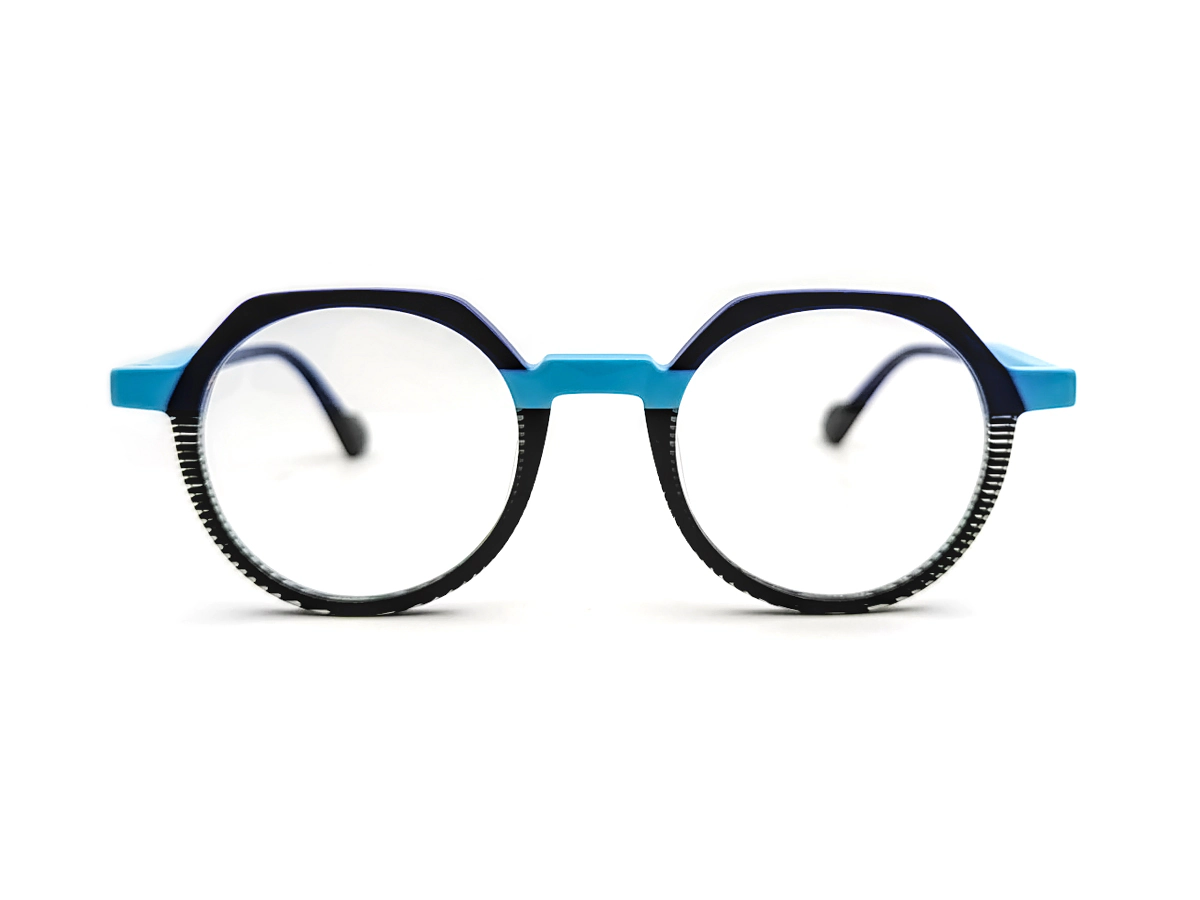
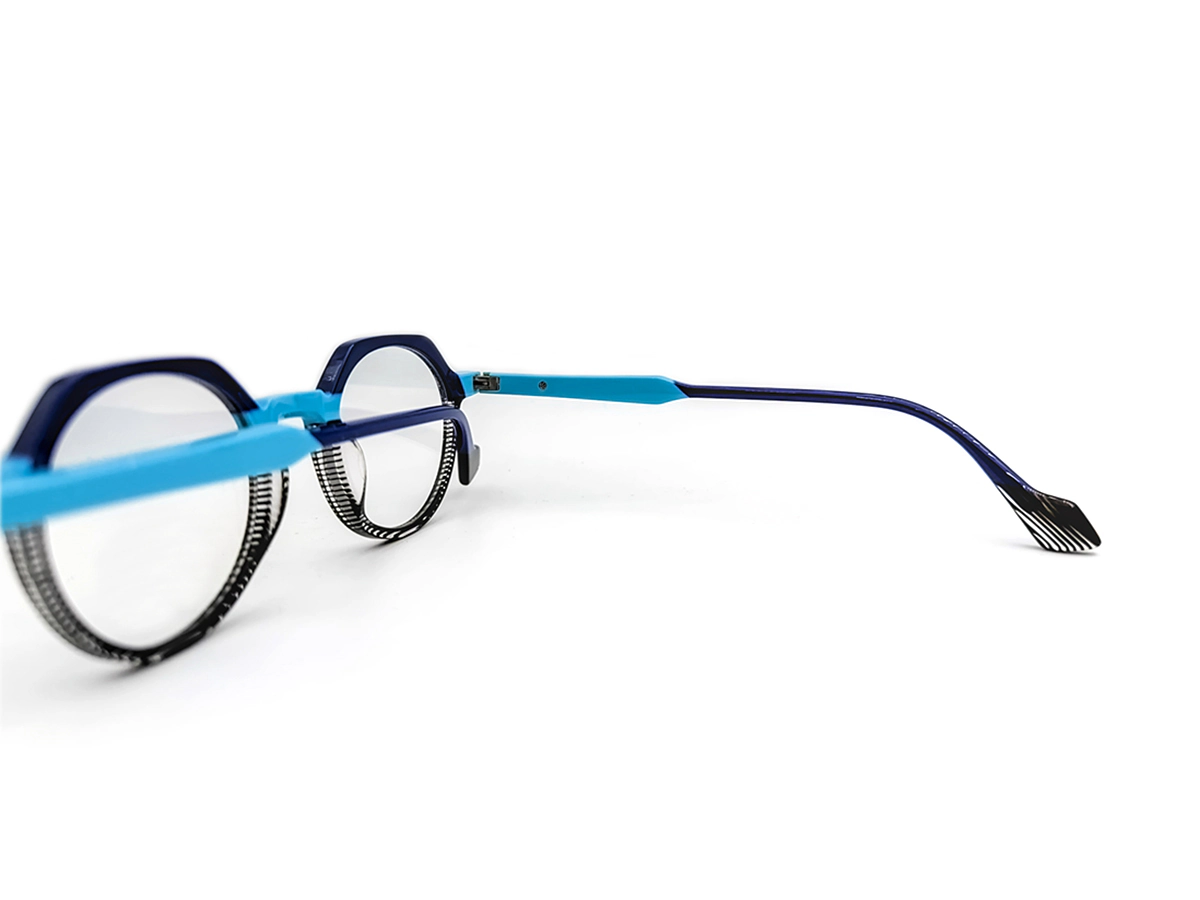
Acetate, metal and titanium support different structural and visual directions across eyewear collections. Acetate allows more freedom in color, lamination and sculpted thickness; metal suits slimmer profiles and varied bridge structures; titanium is useful where low weight and fine components are part of the design.
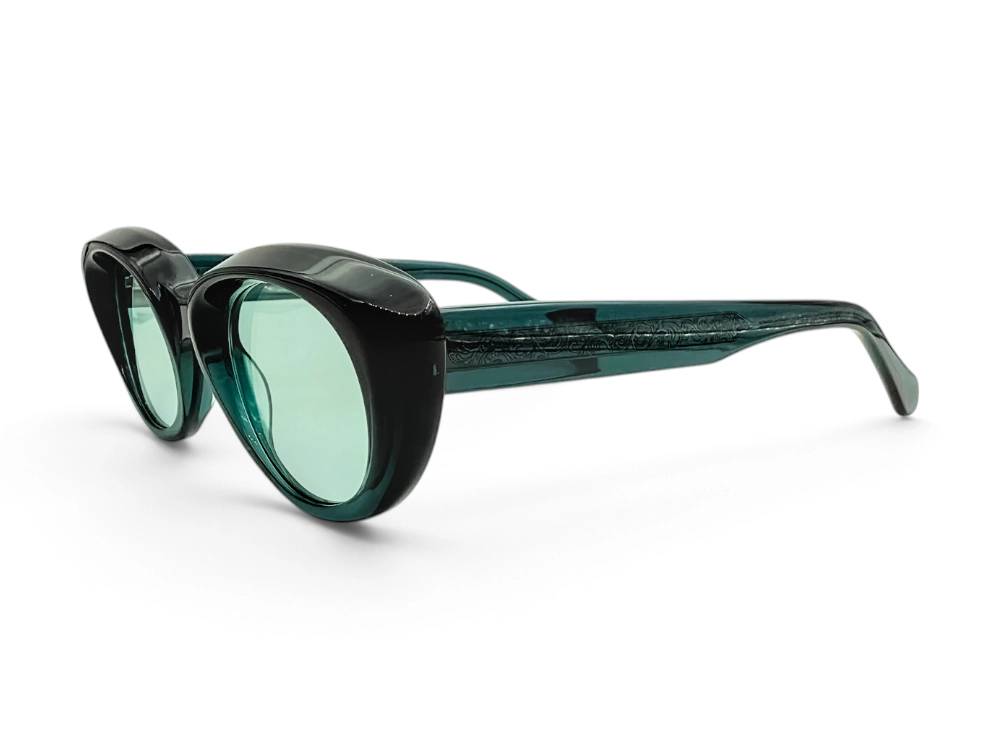
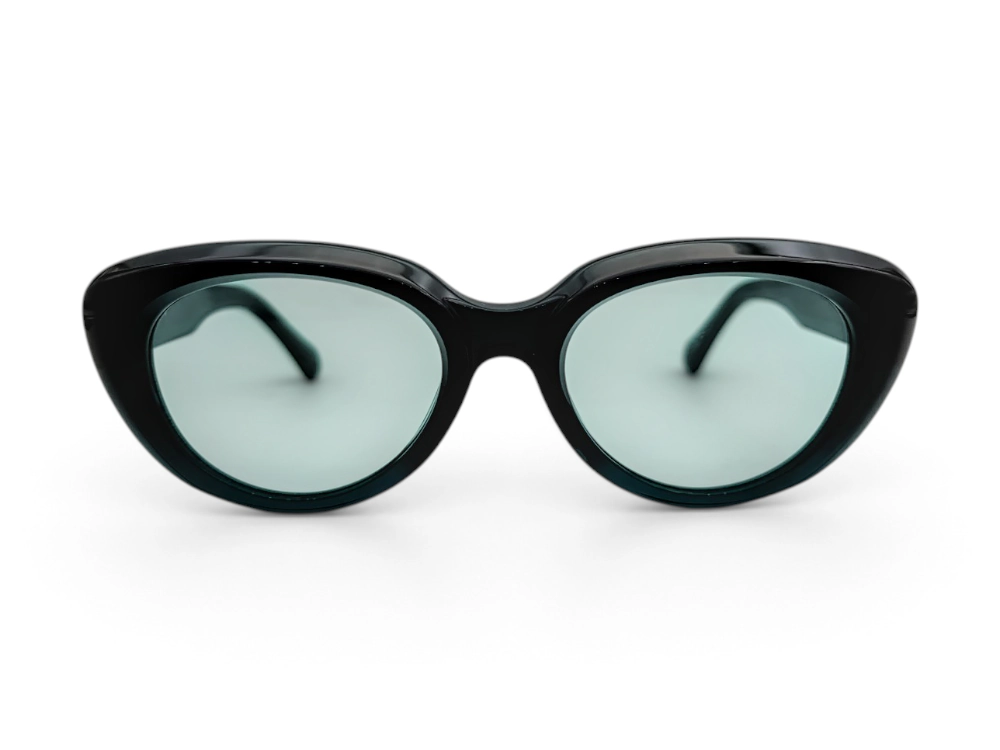
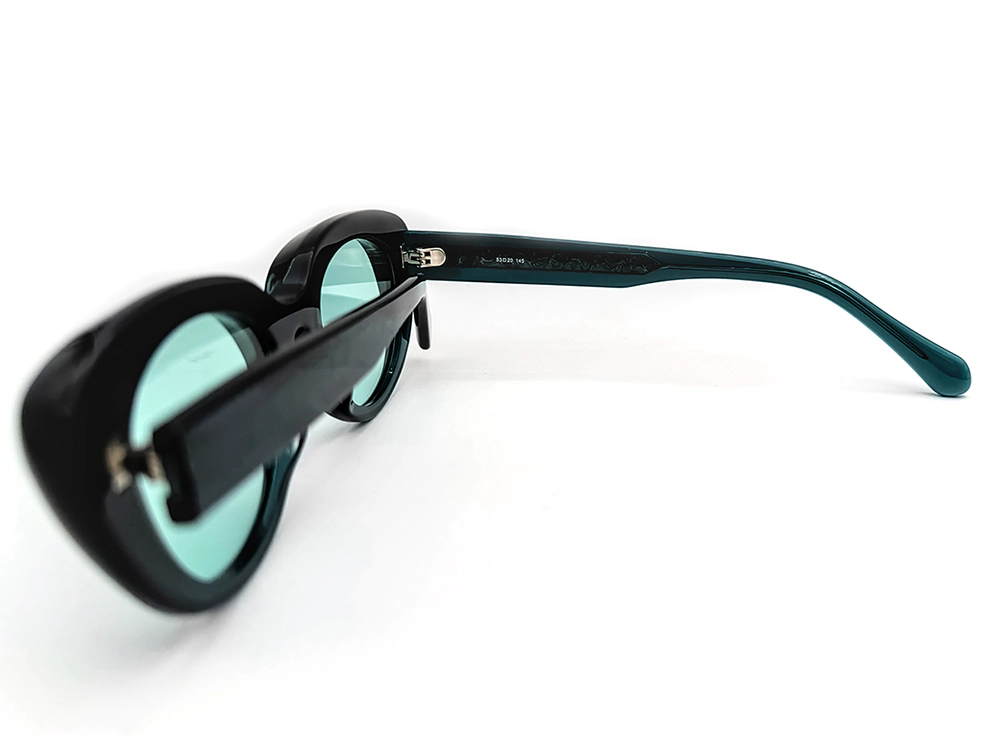
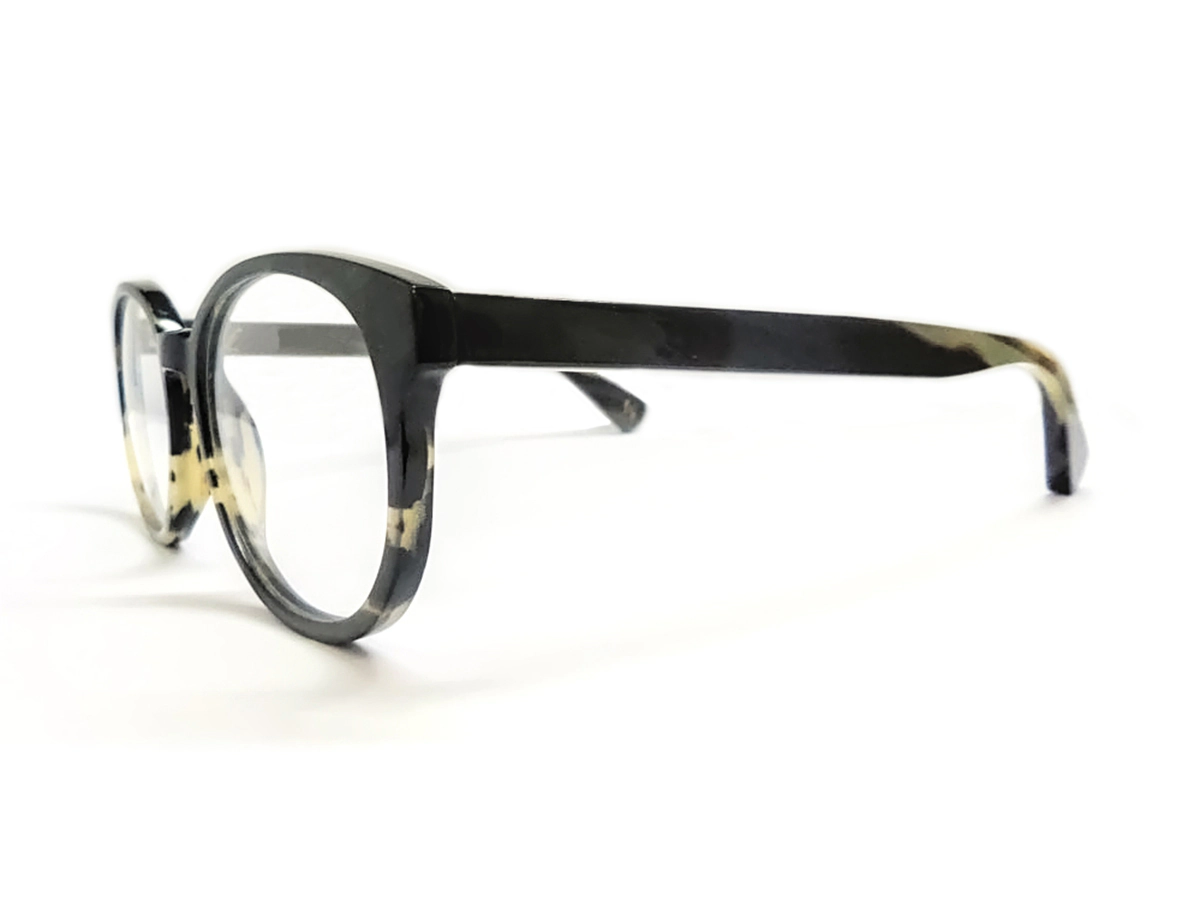
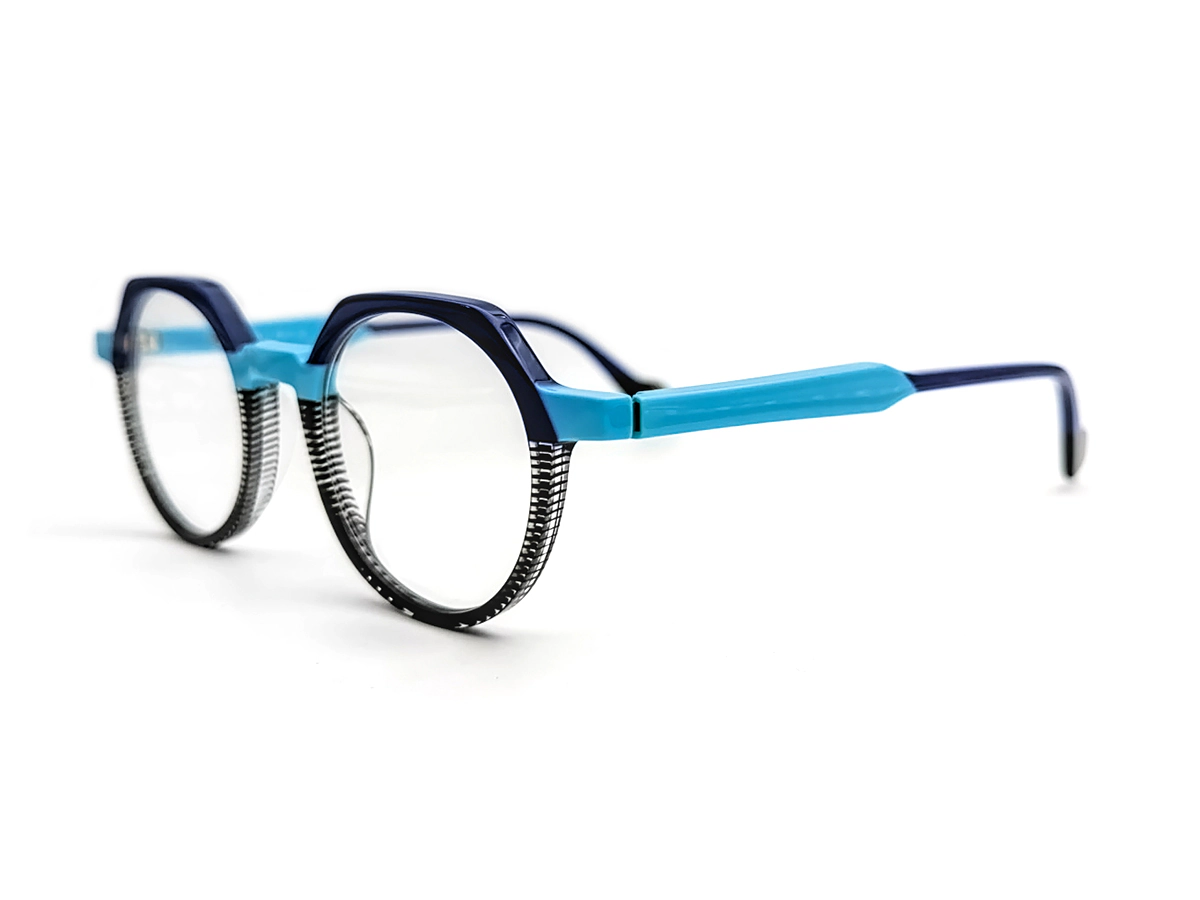
Acetate allows more freedom in color, lamination and front thickness. It works well when material depth, pattern direction or a more sculpted profile carries the design.
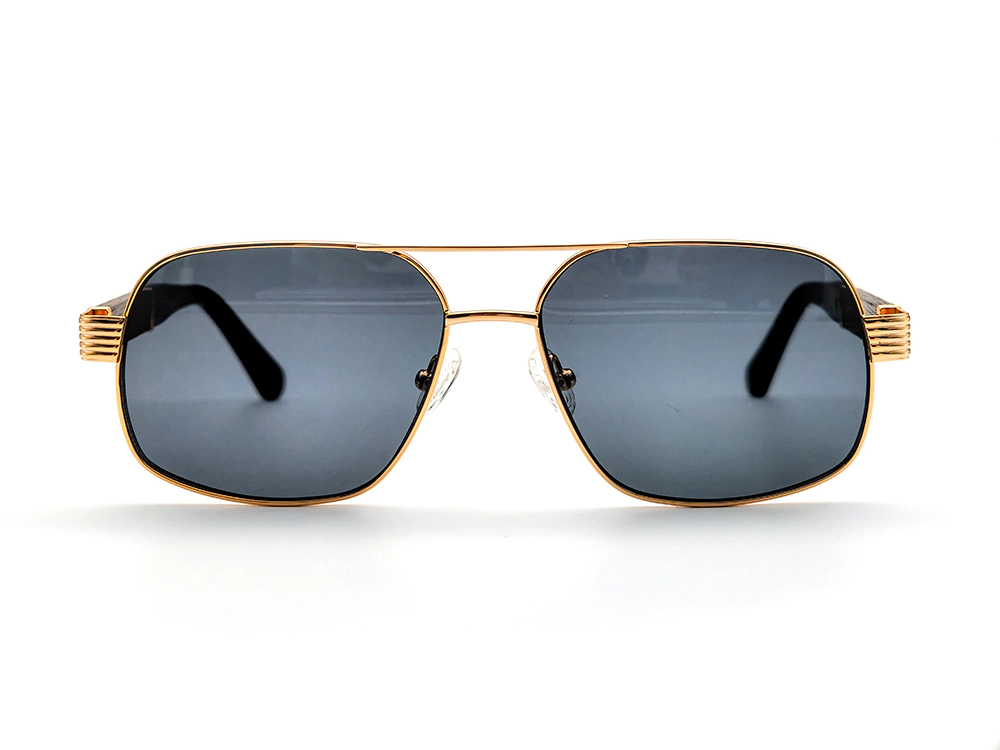
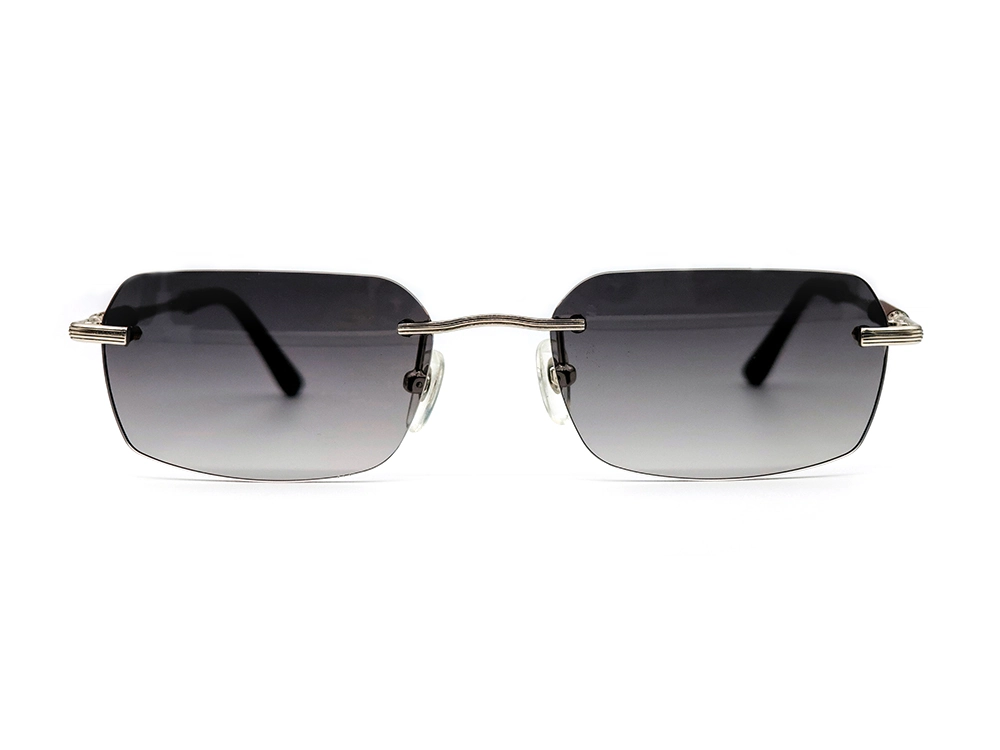
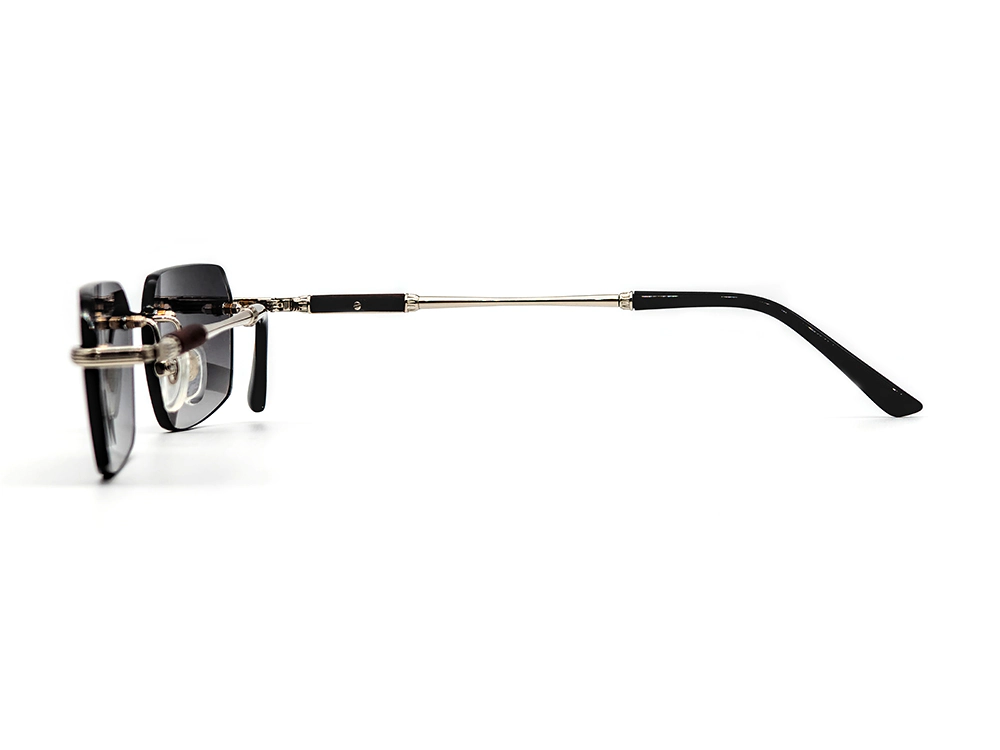
Metal supports slimmer rims, varied bridge structures and adjustable nose-pad systems. Plating and coating can change the finish without changing the basic frame architecture.
Titanium is useful when low weight and fine components are part of the design. With slim bridges, temples and connection points, alignment becomes more visible and requires close control.
SPECIALTY MATERIALS
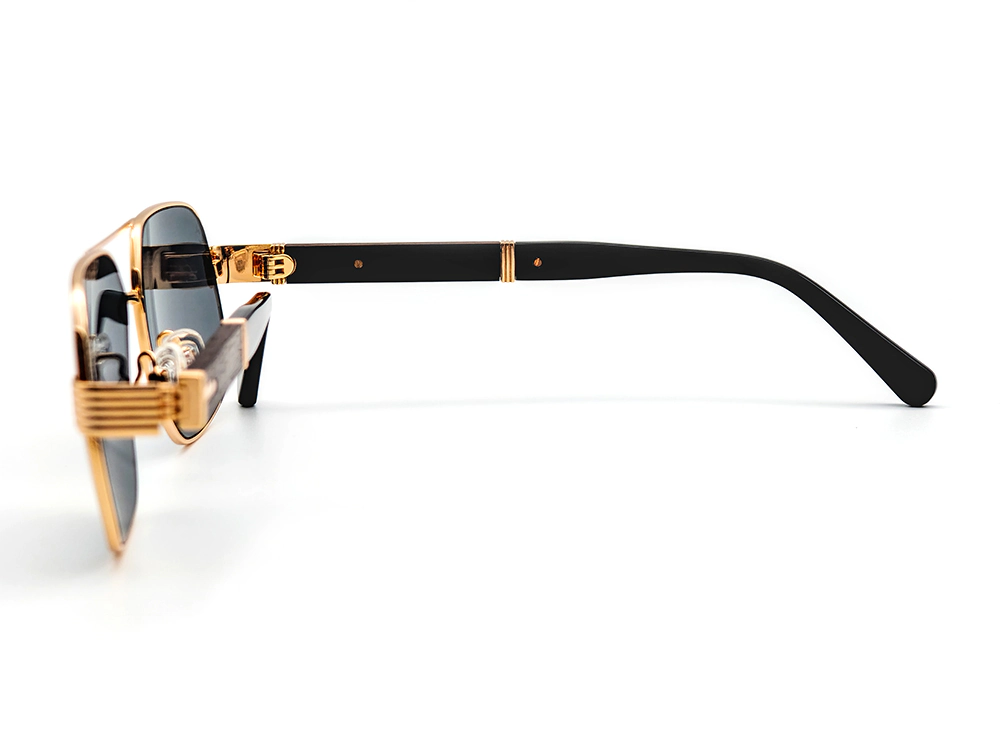
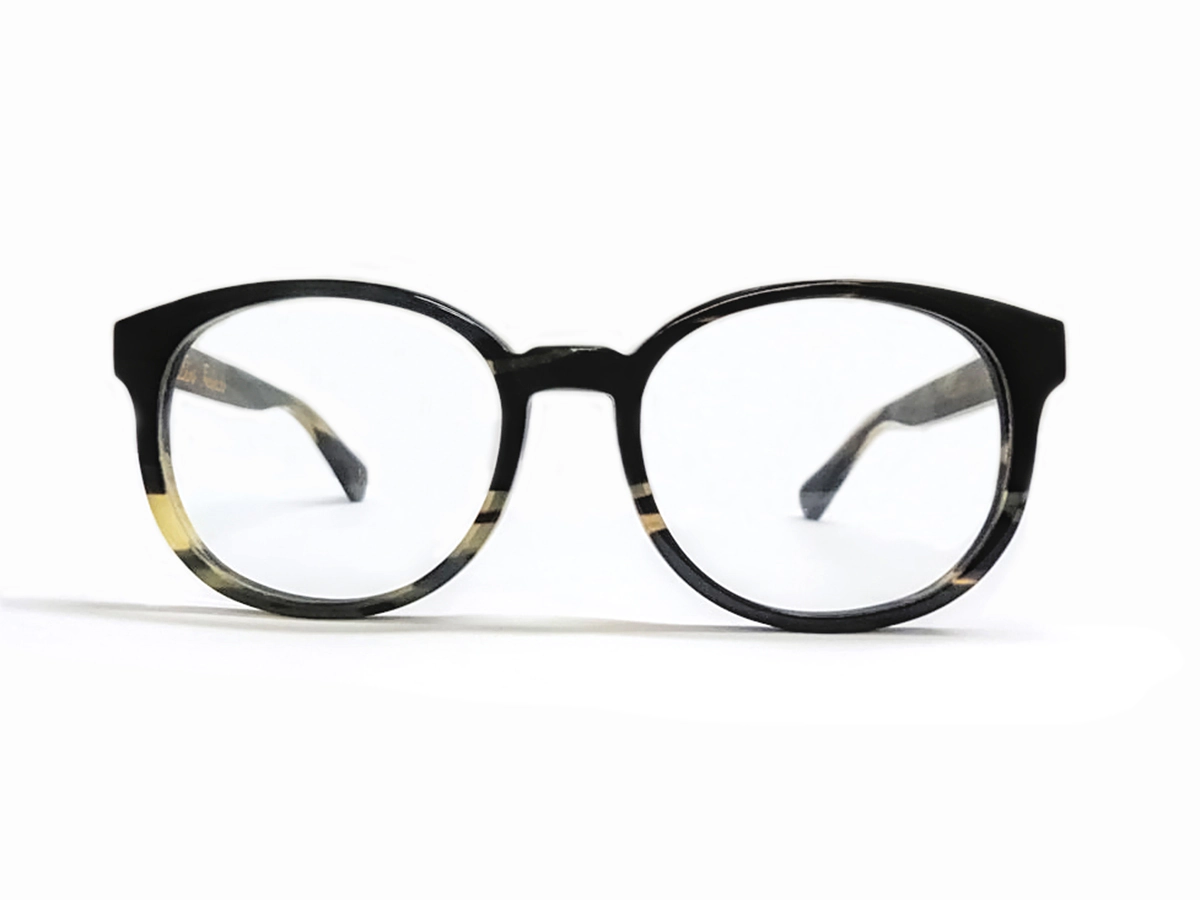
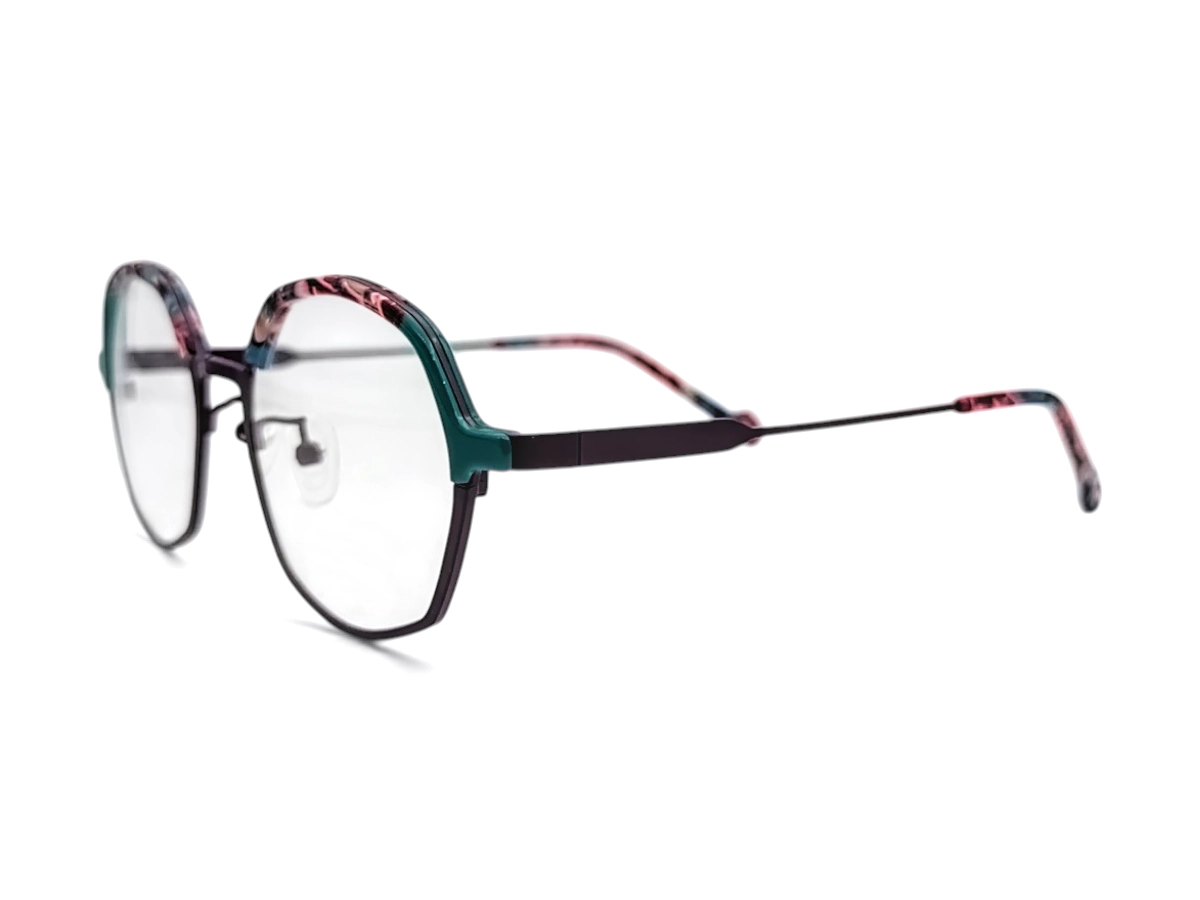
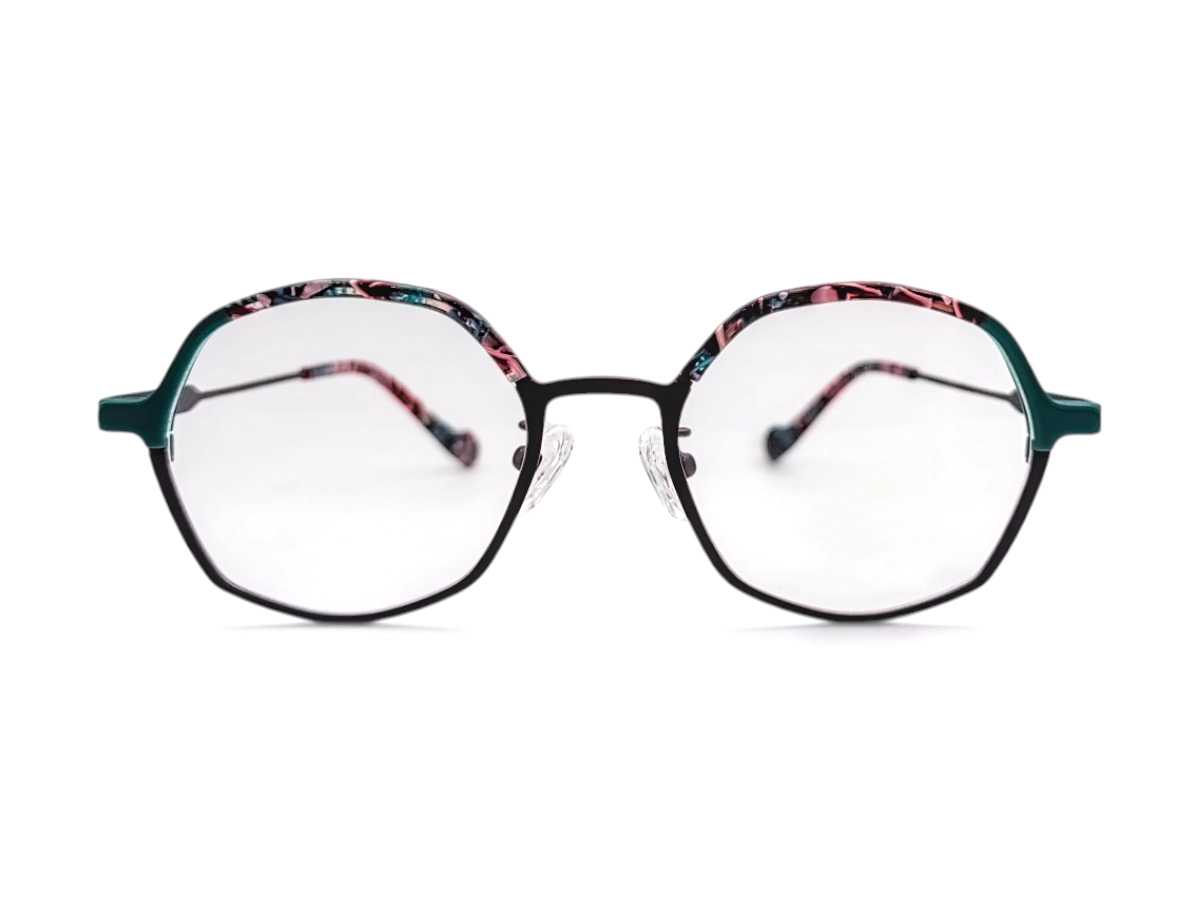
Horn, wood and carbon fiber bring material character that remains visible in the finished frame. Mixed-material constructions introduce another consideration: where different materials meet, the junction needs to work both visually and structurally.
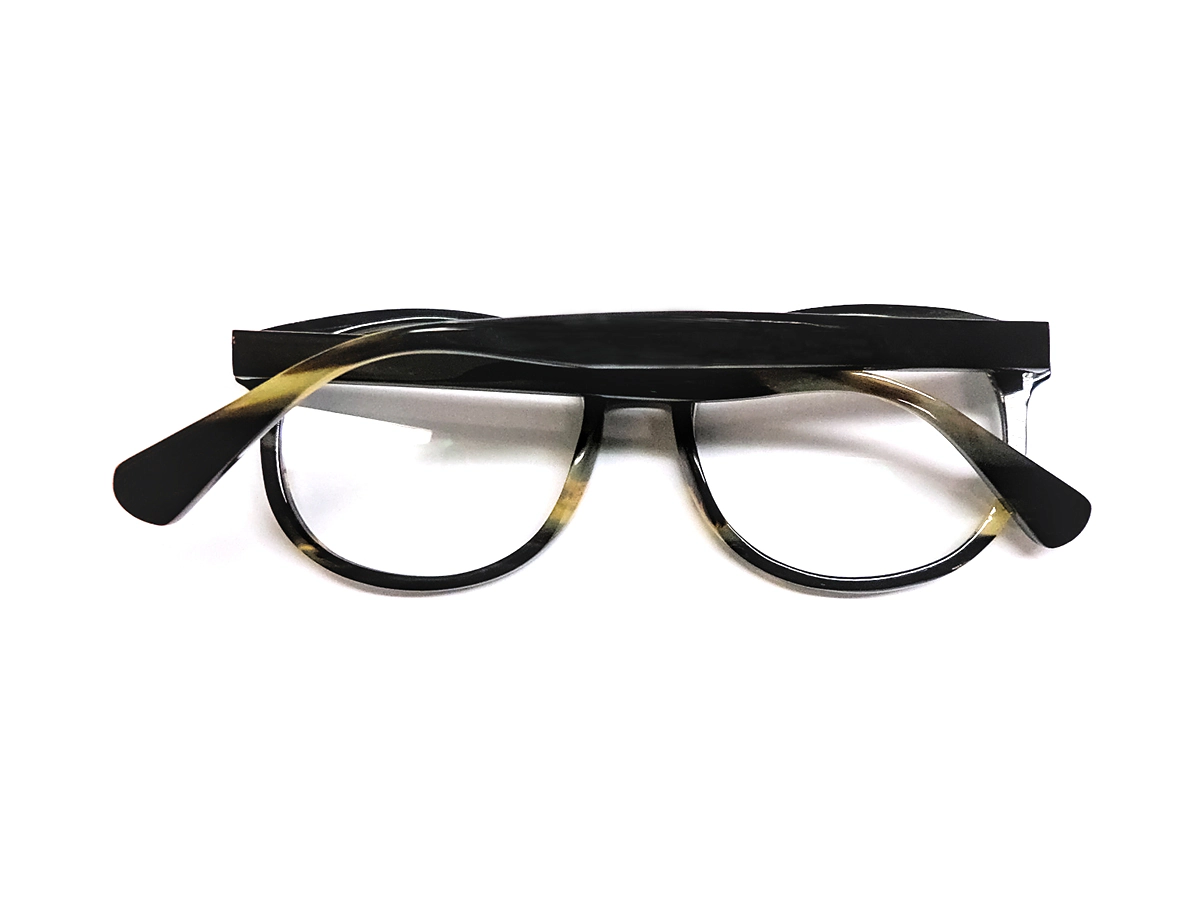
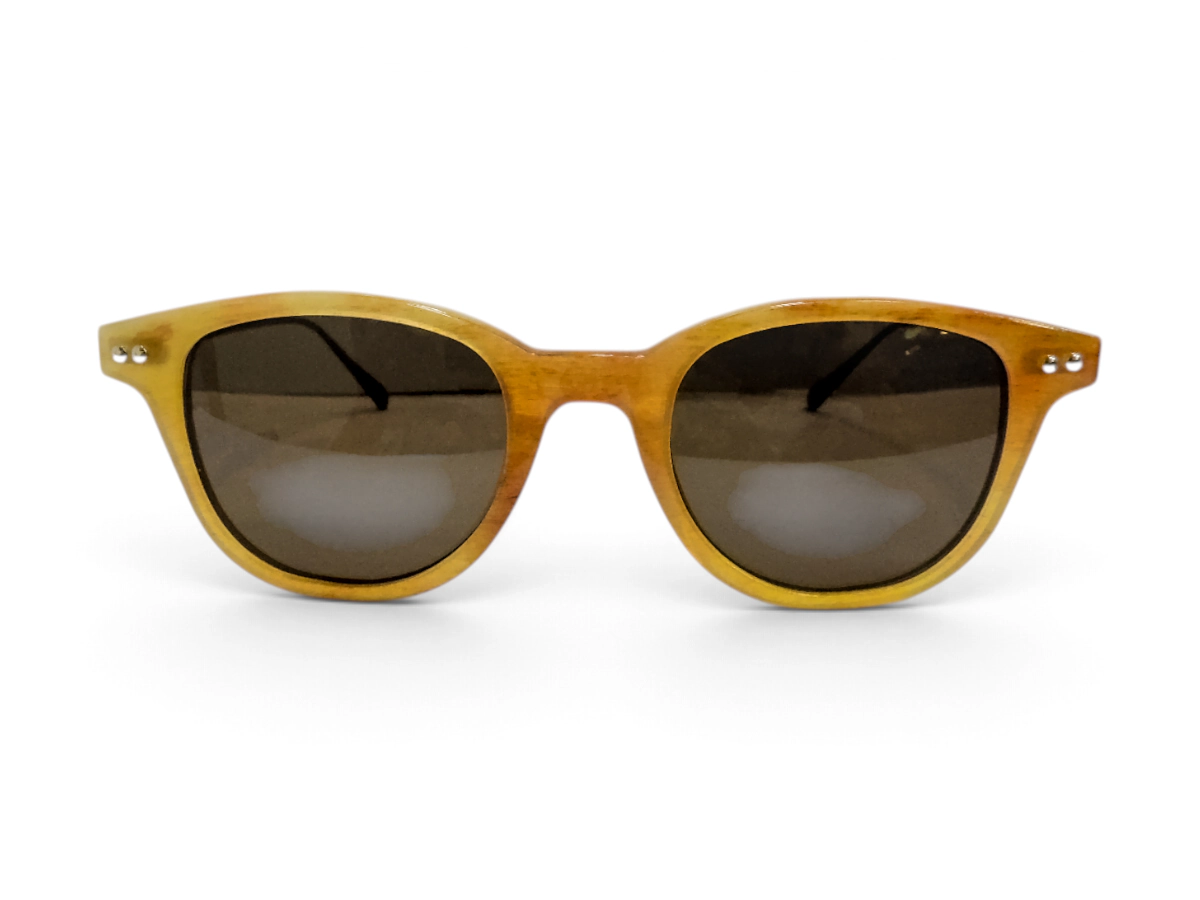
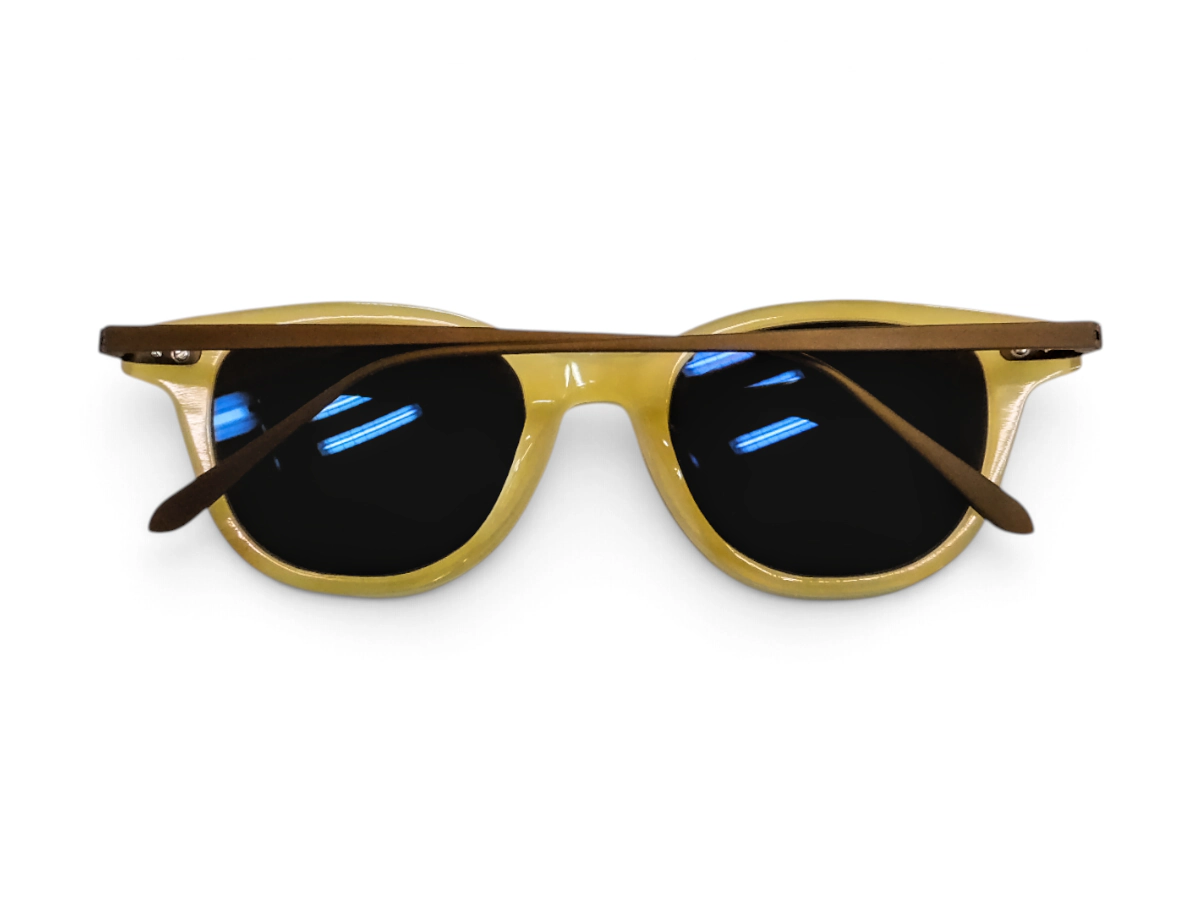
Natural horn varies in tone and grain from piece to piece. Material selection matters early when related frames need to feel consistent without removing the natural variation that defines the material.
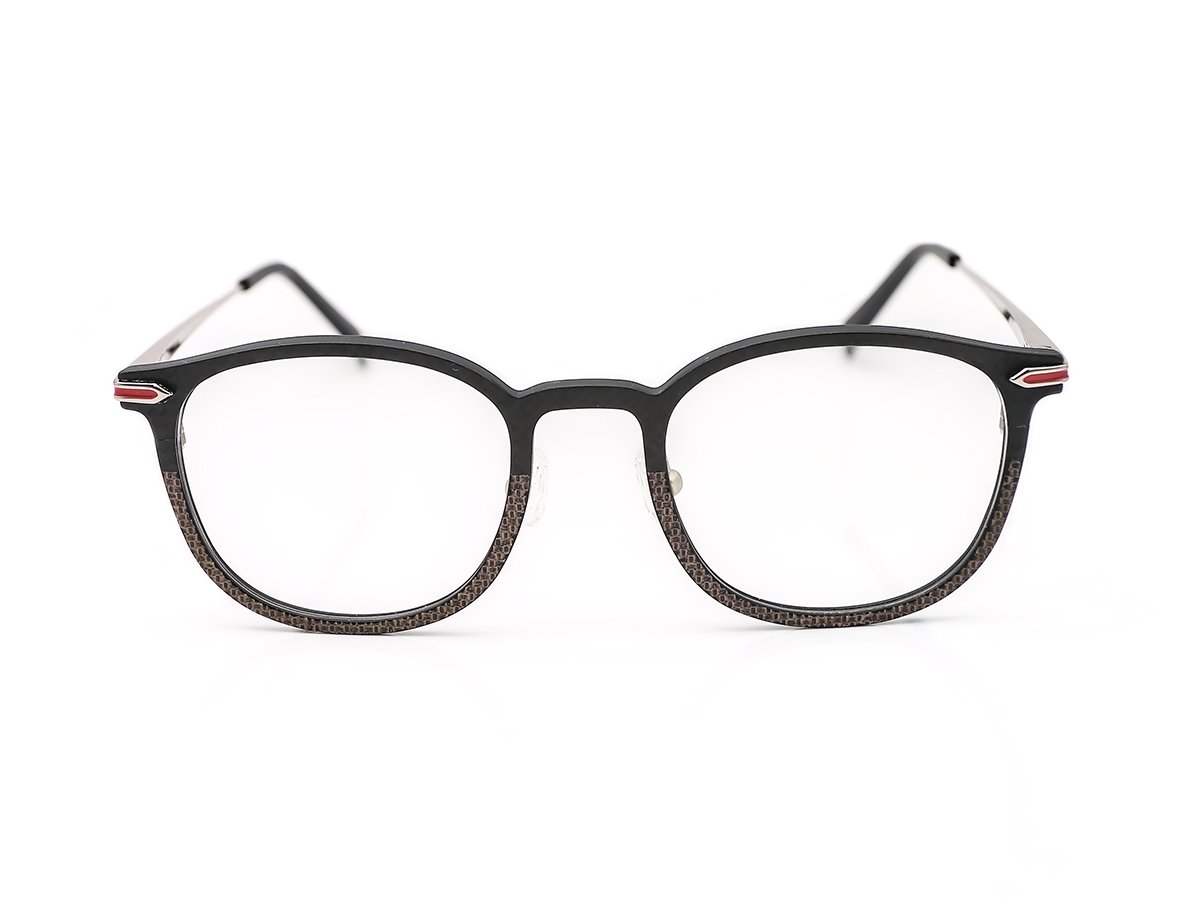
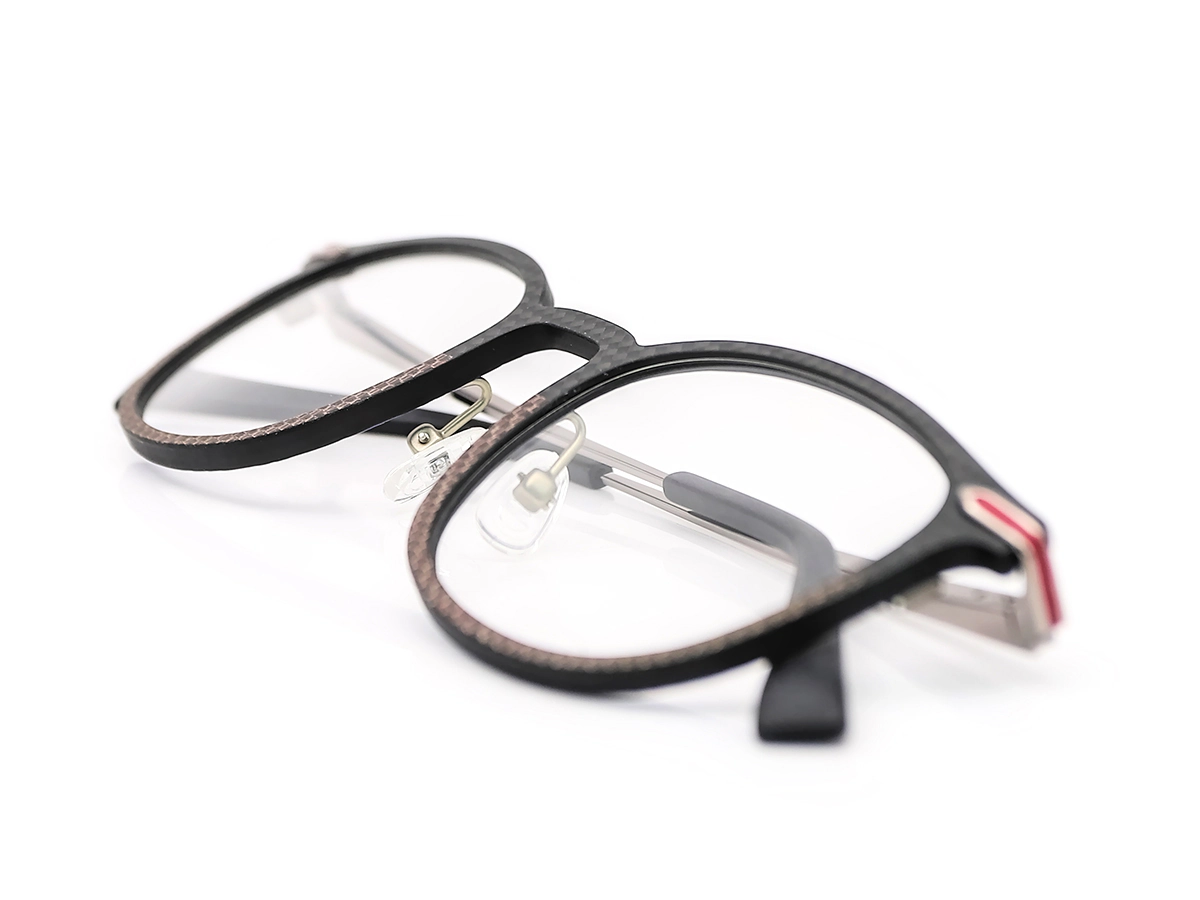
Carbon fiber brings a visible technical texture to the frame and suits designs where that surface should remain part of the finished product. Frame profile and component connections need to work with the material rather than hide it.
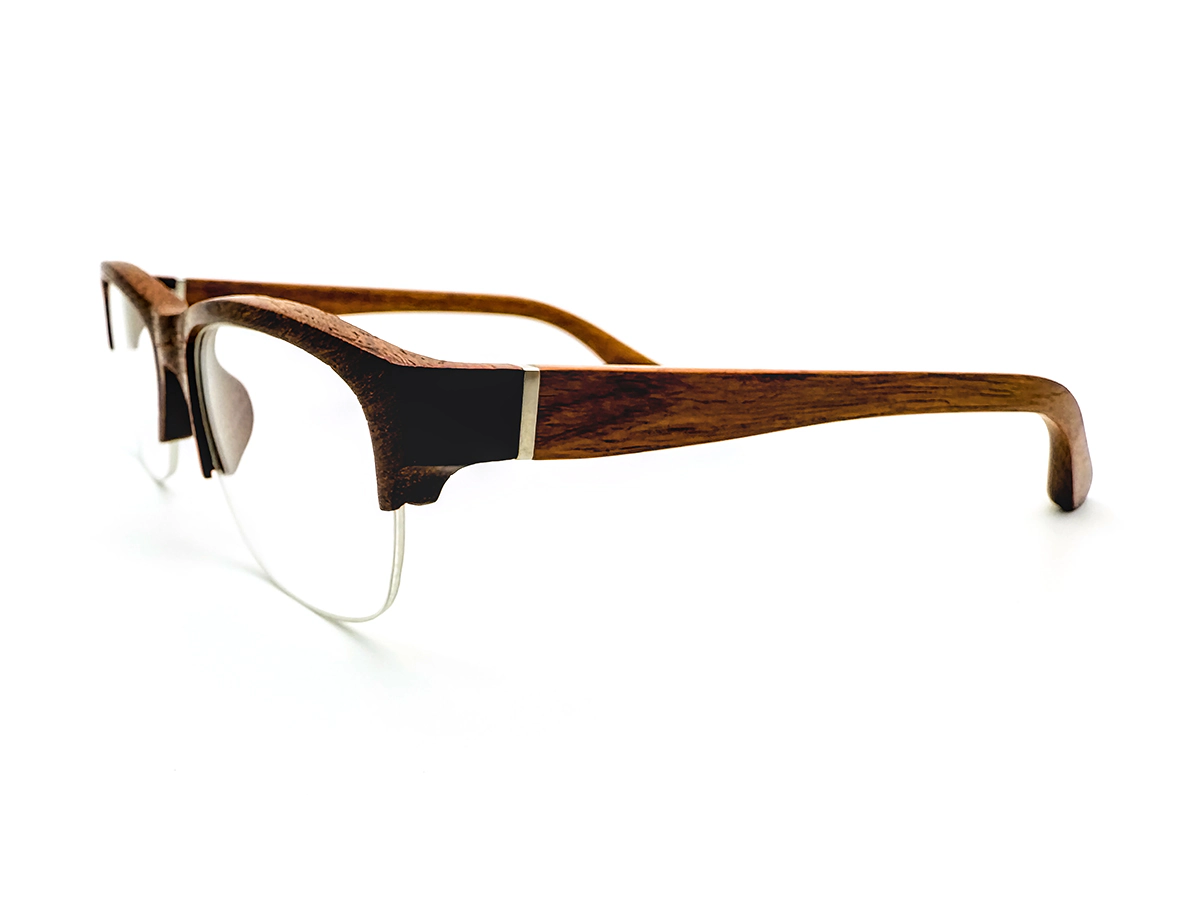
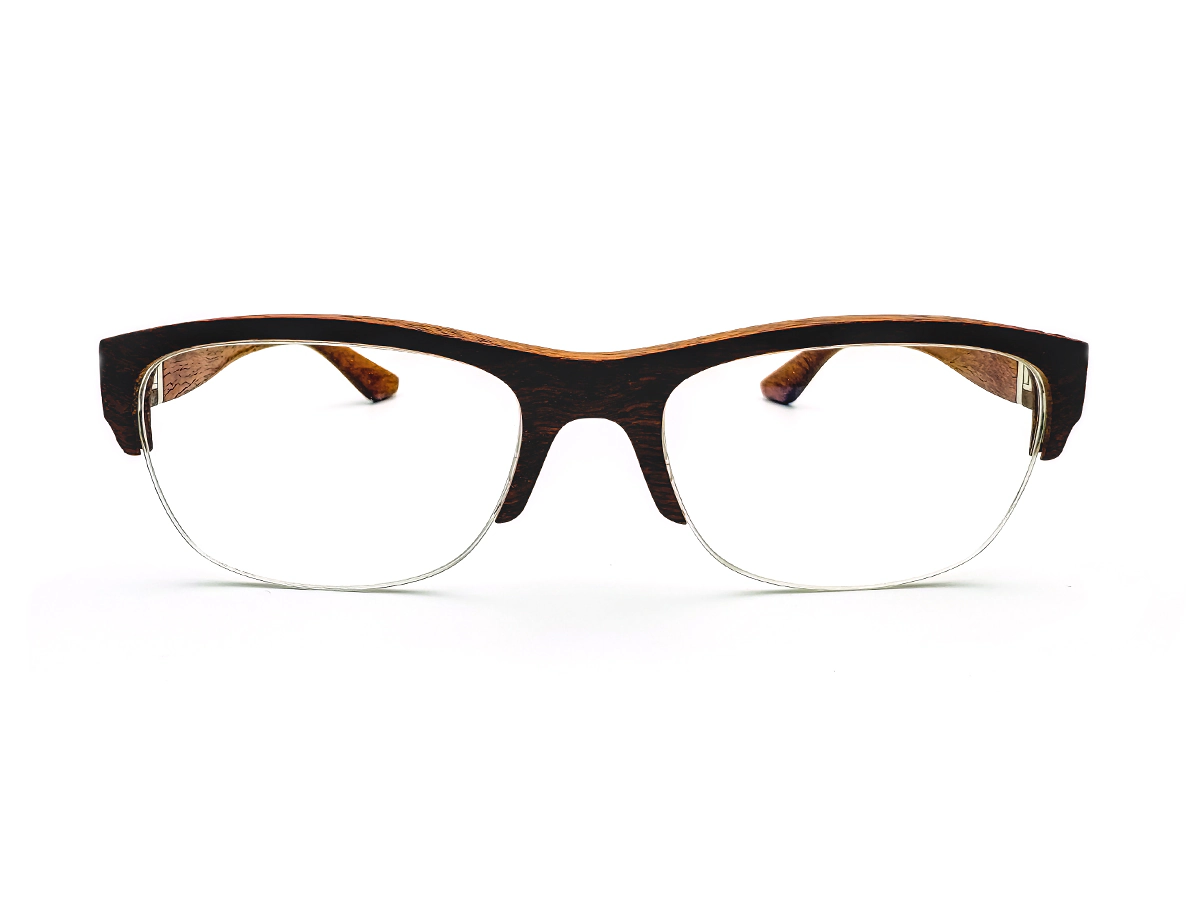
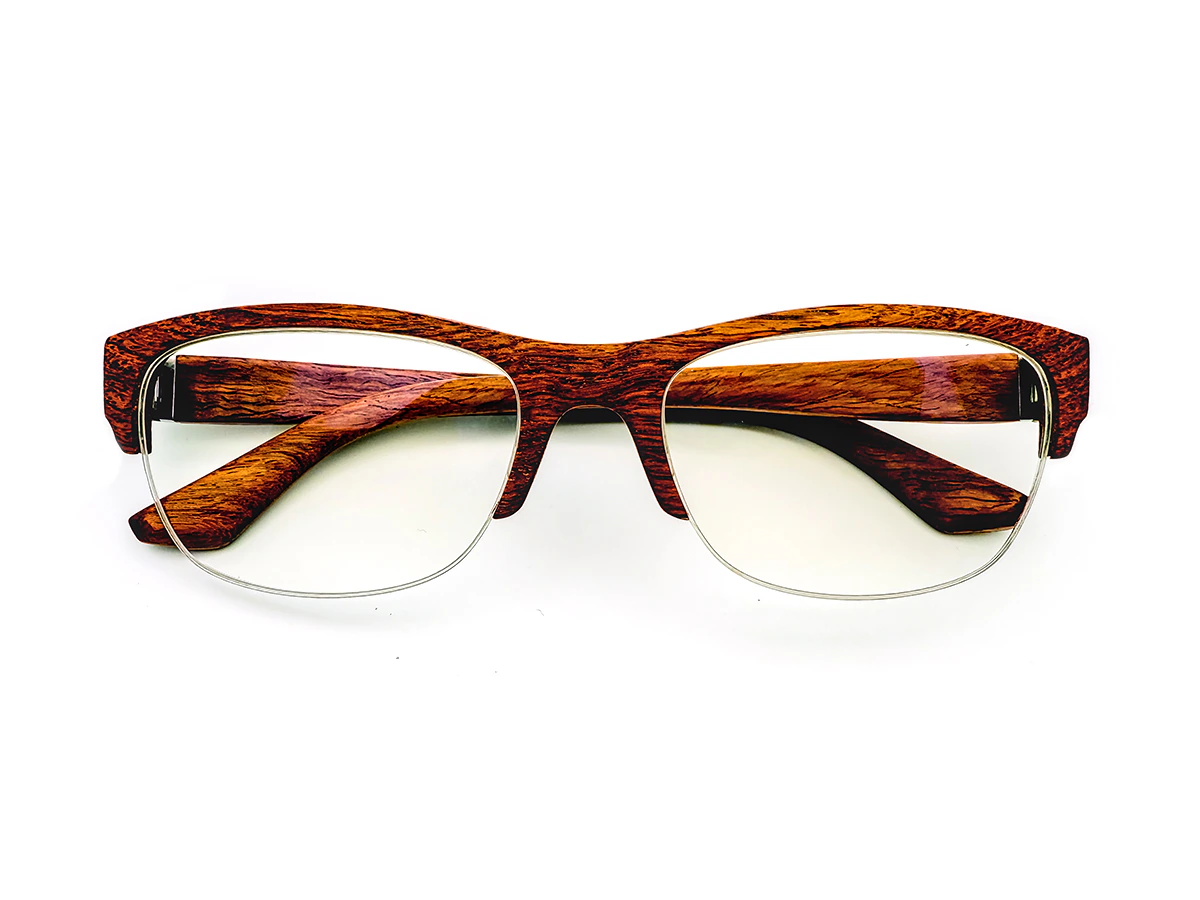
Wood grain follows the cut of the material, so grain direction, frame contour and edge finishing need to be considered together. Tone can also vary naturally from piece to piece.
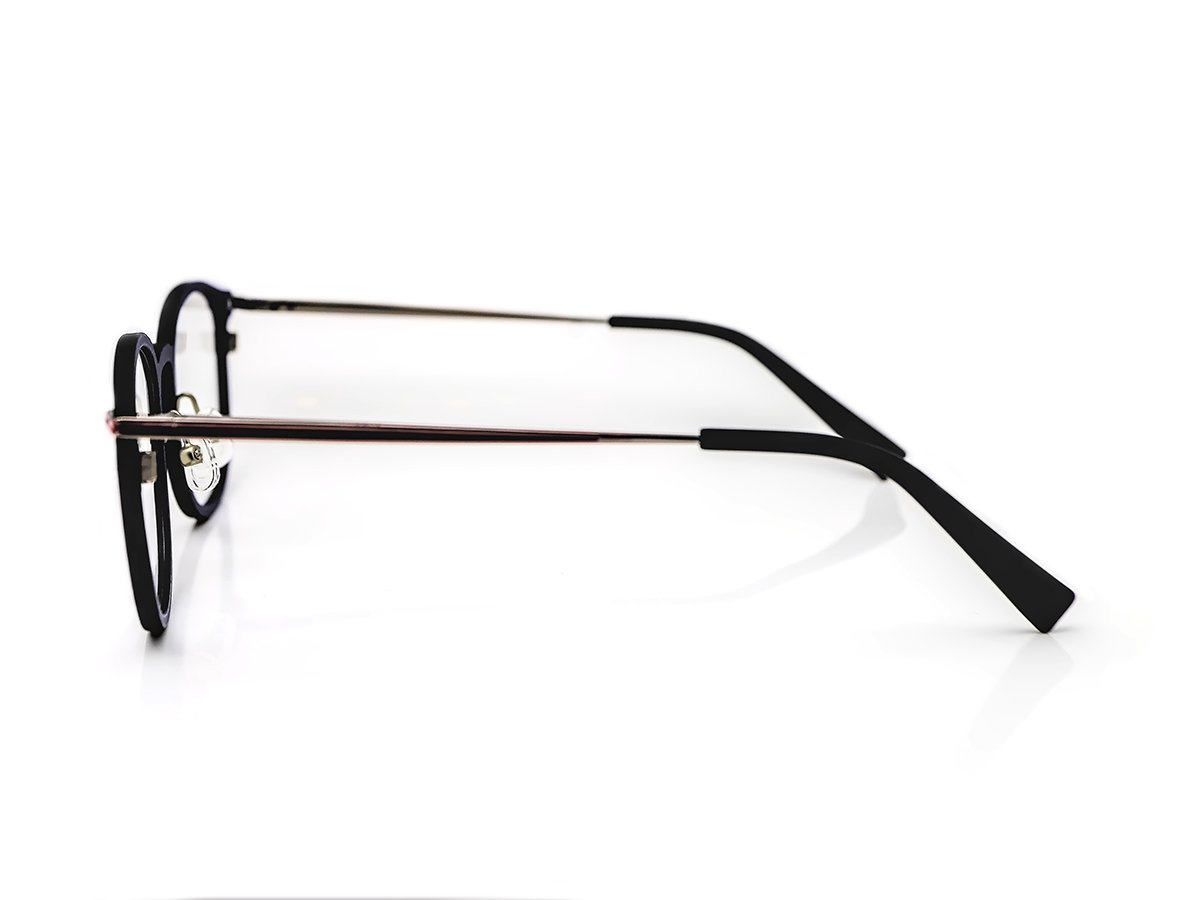
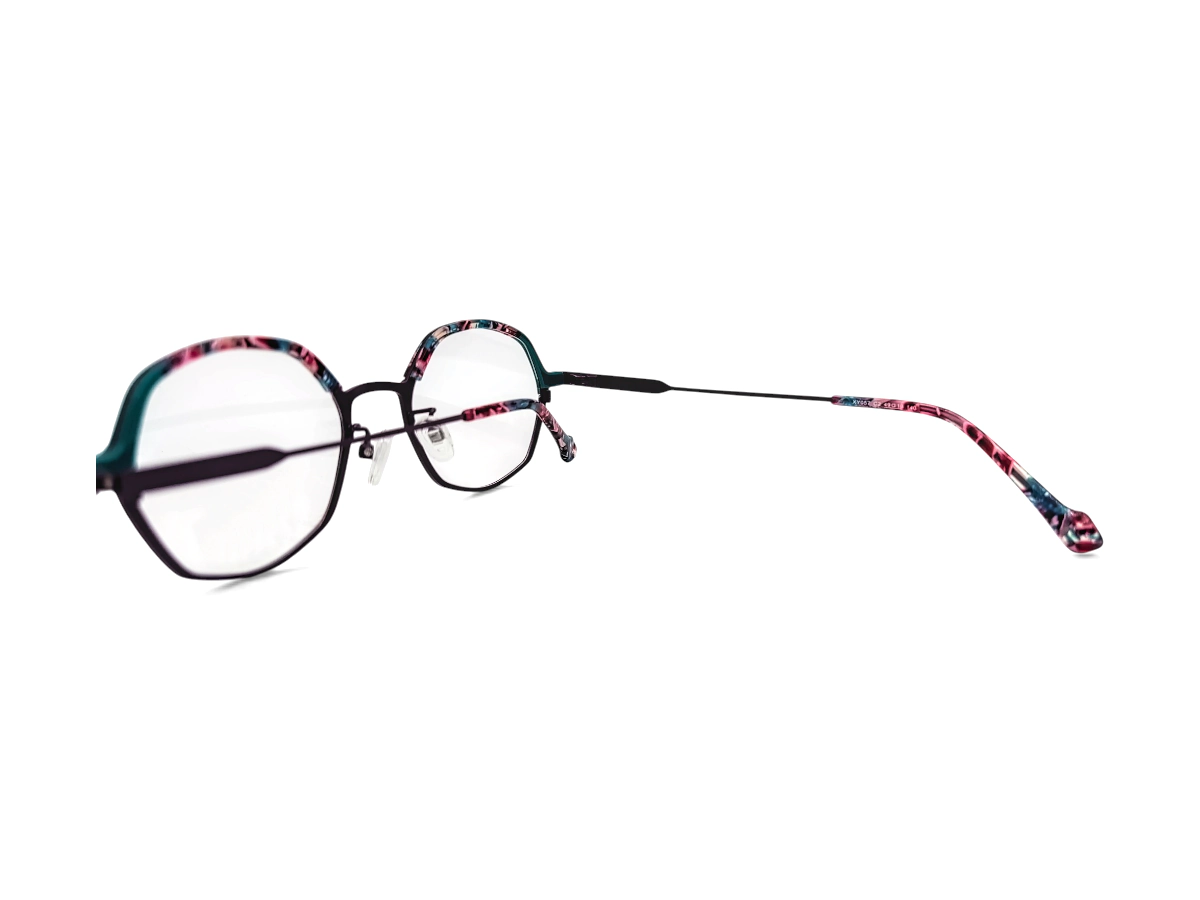
Mixed material eyewear can combine metal with laminated acetate, horn, wood, carbon fiber or titanium within the same frame. The key is how each material is assigned, joined and finished so the different parts work as one structure.
CUSTOMIZATION
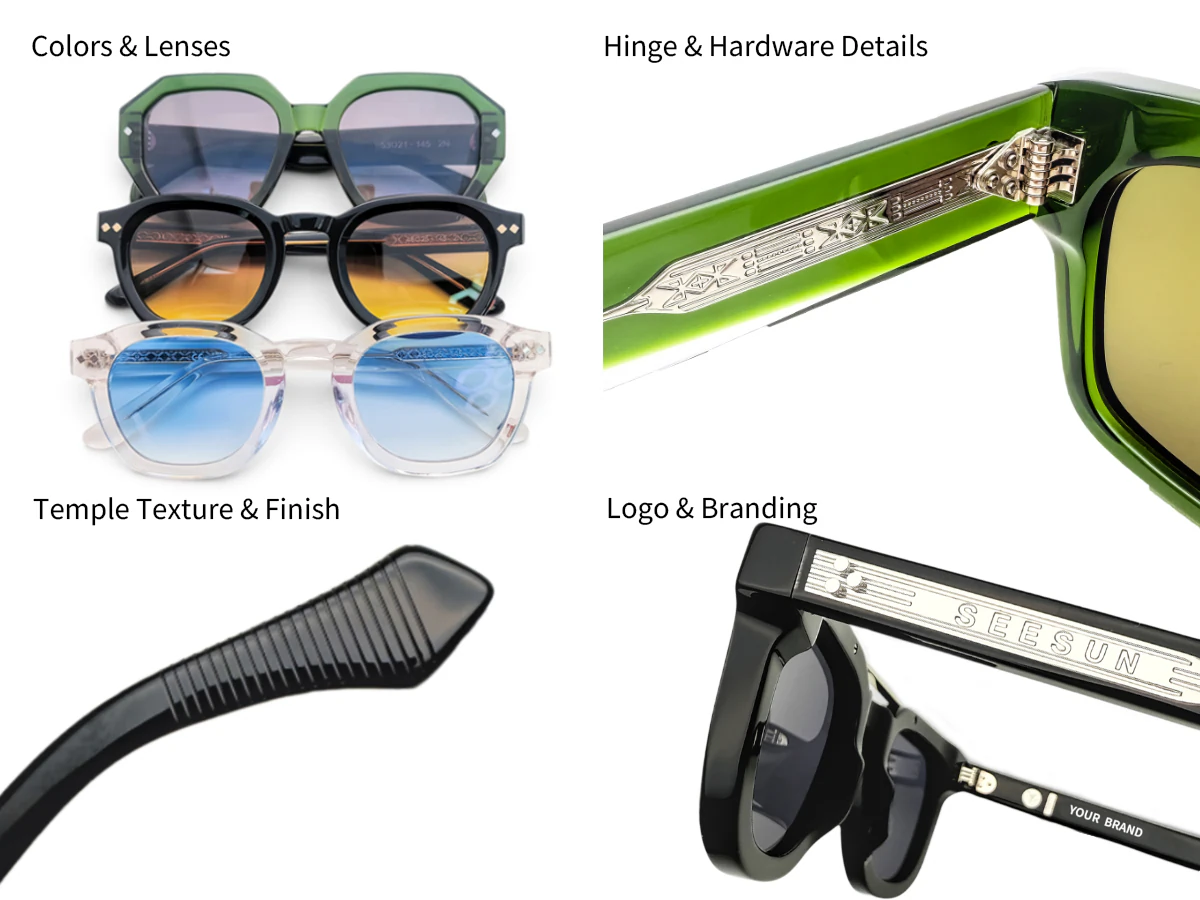
Frame material is only the starting point. Depending on the product direction, SEESUN can coordinate colors, lenses, finishes, branding details and packaging around the requirements of your collection. For projects that need more than an existing frame direction, our Custom Manufacturing team can also support engineering review, sampling and production planning.
PRODUCT DIRECTIONS
Use the product line to narrow the technical requirements. Optical frames need prescription-lens fit and everyday comfort; sports eyewear puts more emphasis on coverage, wrap and wearing stability; smart glasses add hardware space, weight distribution and integration constraints.
Optical frames need to account for prescription-lens fit, bridge fit and everyday comfort. Acetate, metal and titanium can all be used, but the frame material changes how those details are engineered.
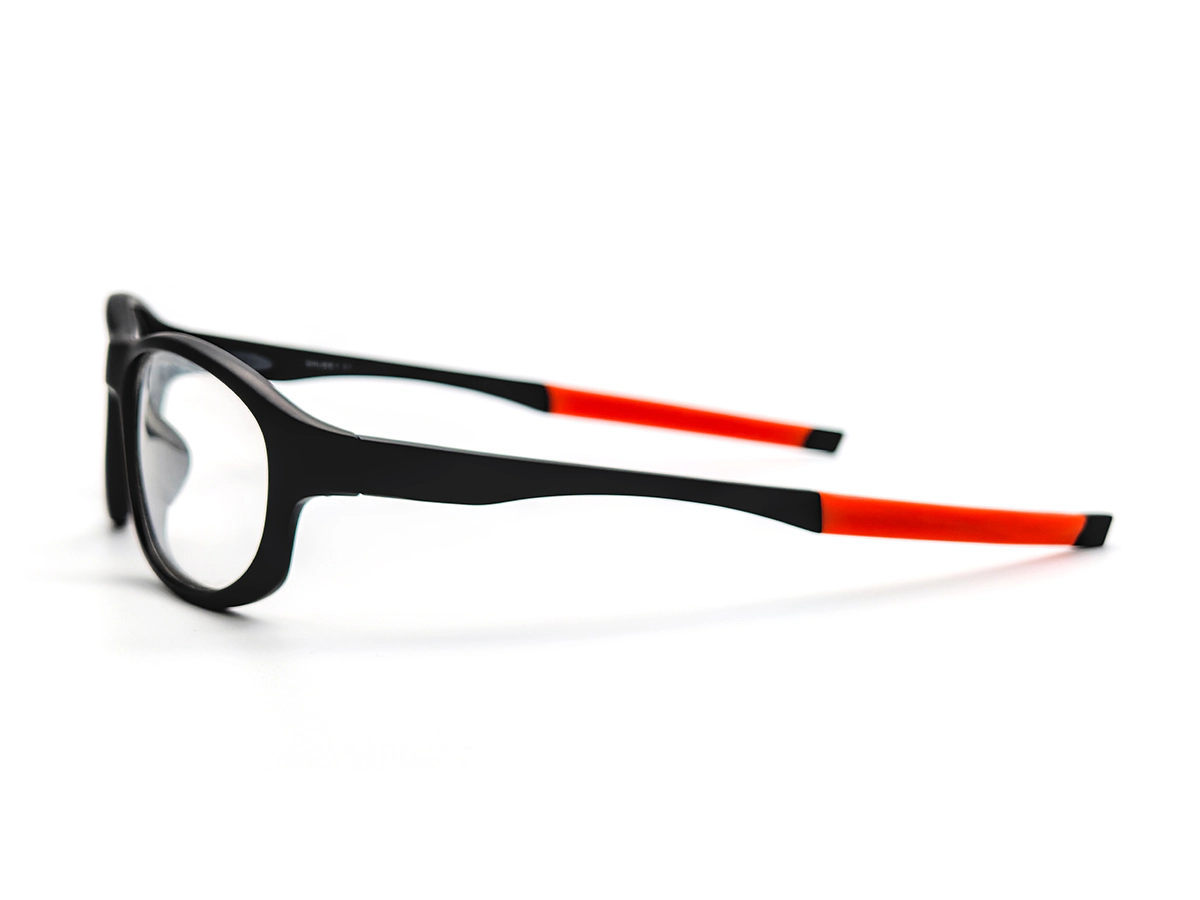
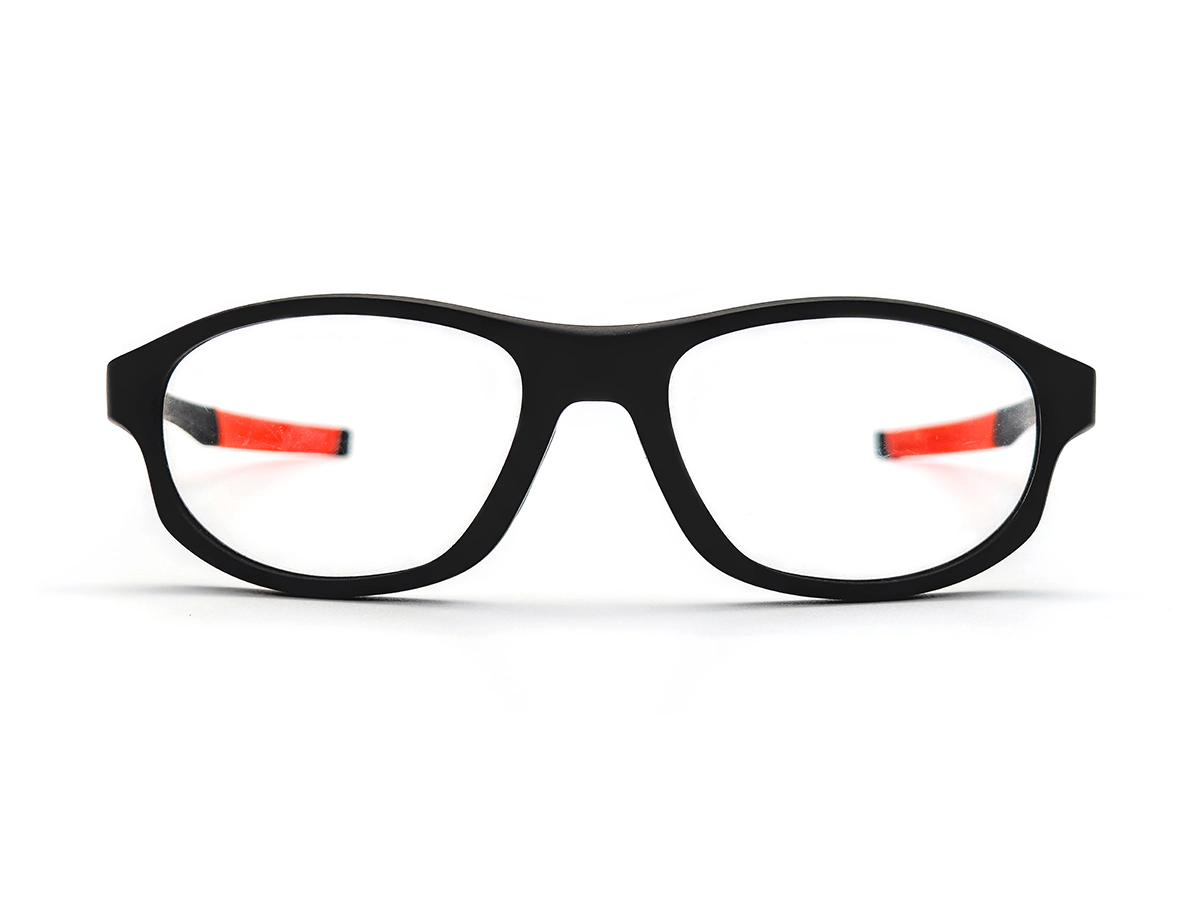
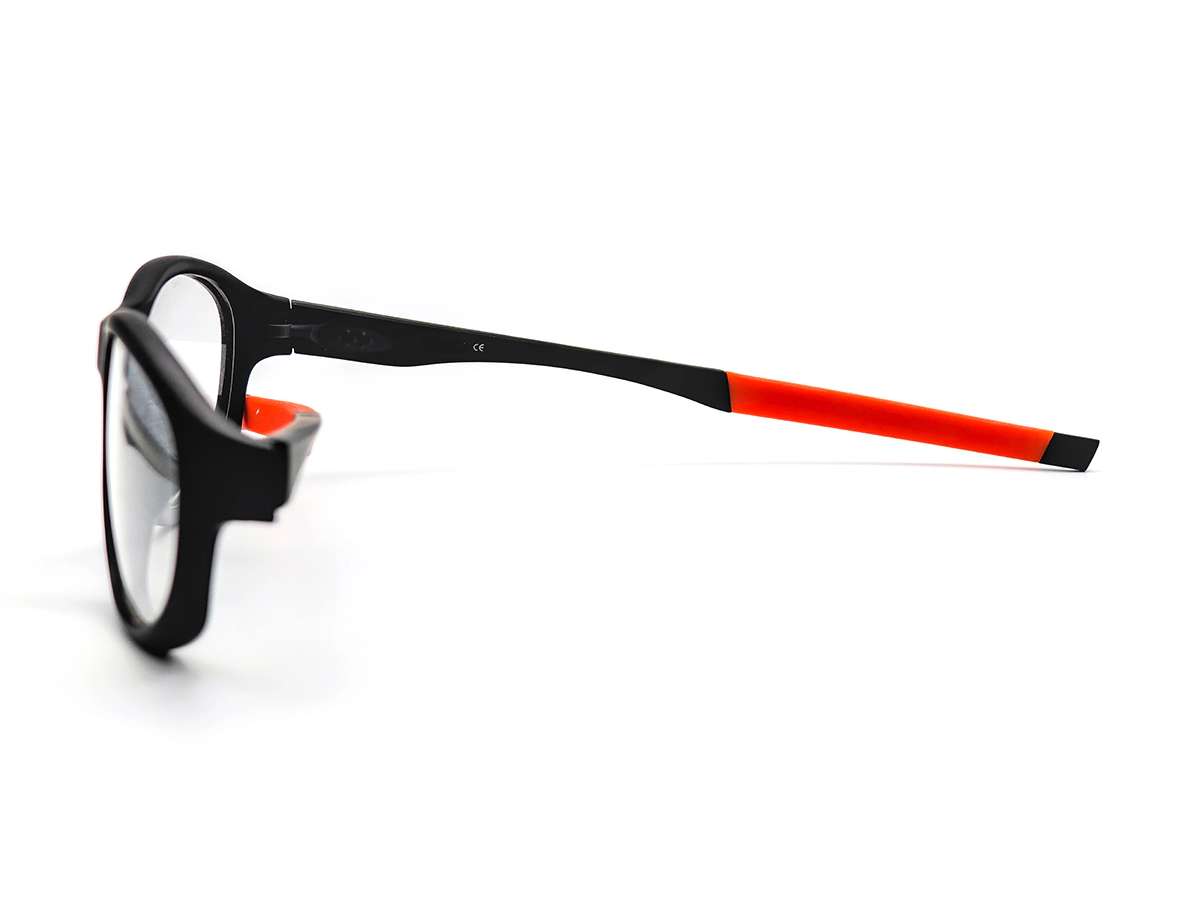
Sports eyewear projects are usually defined by coverage, wrap, fit, ventilation and lens function. Frame geometry and branding are adjusted around the intended activity.
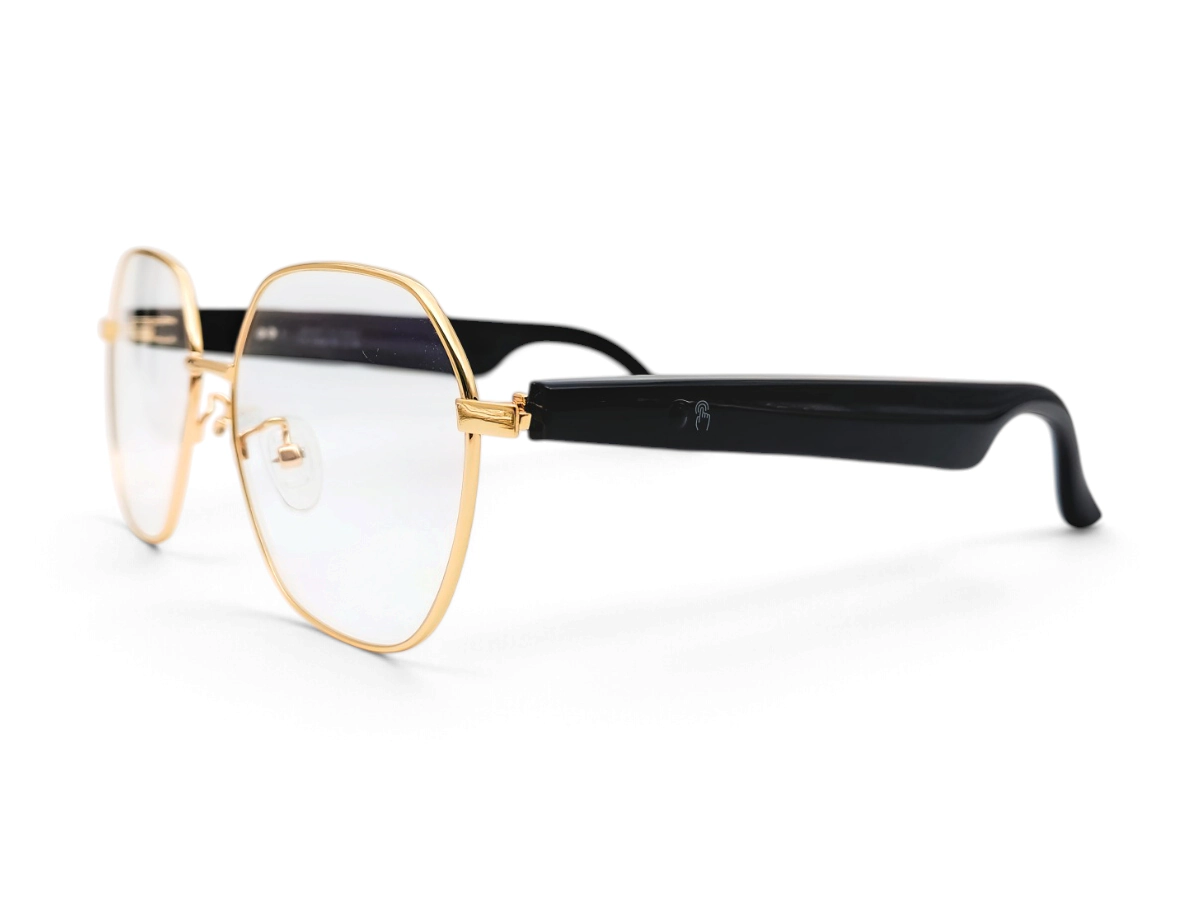
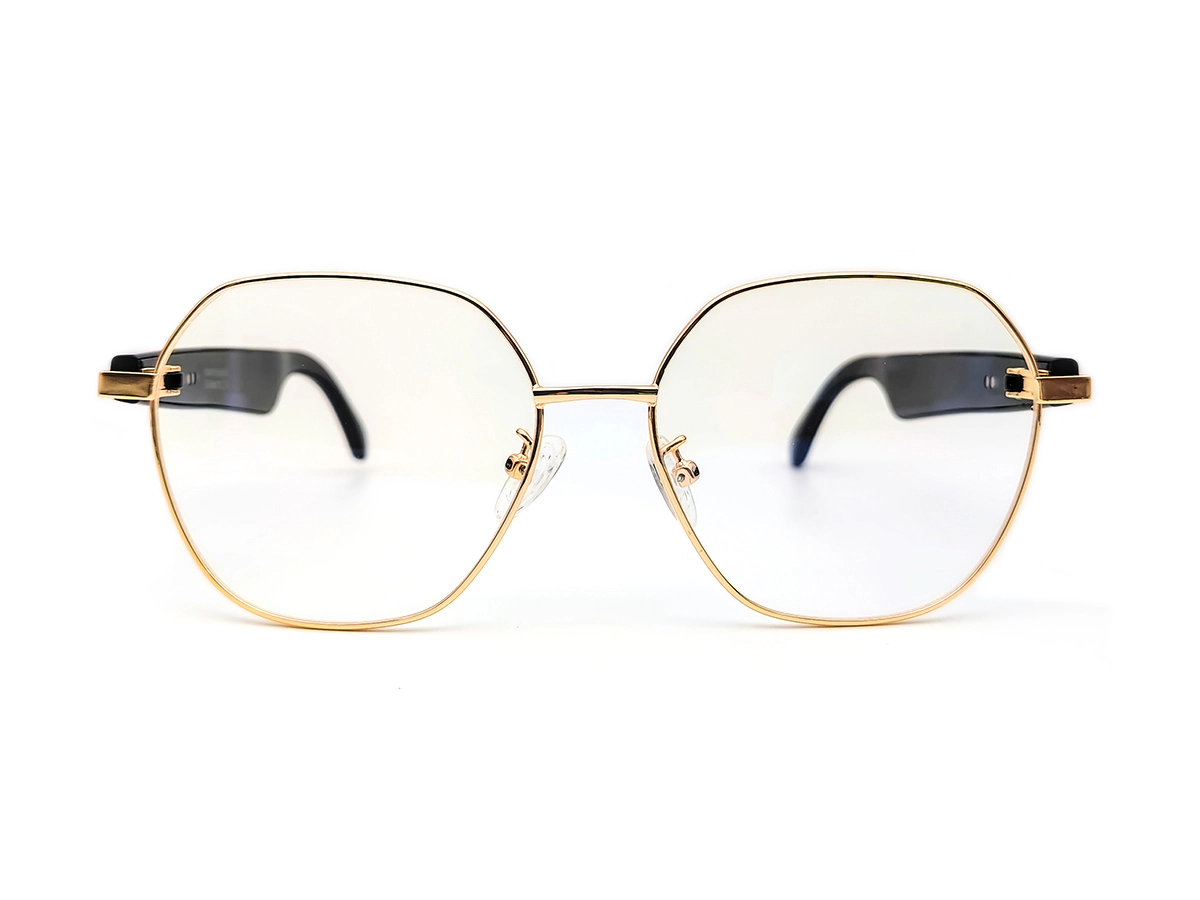
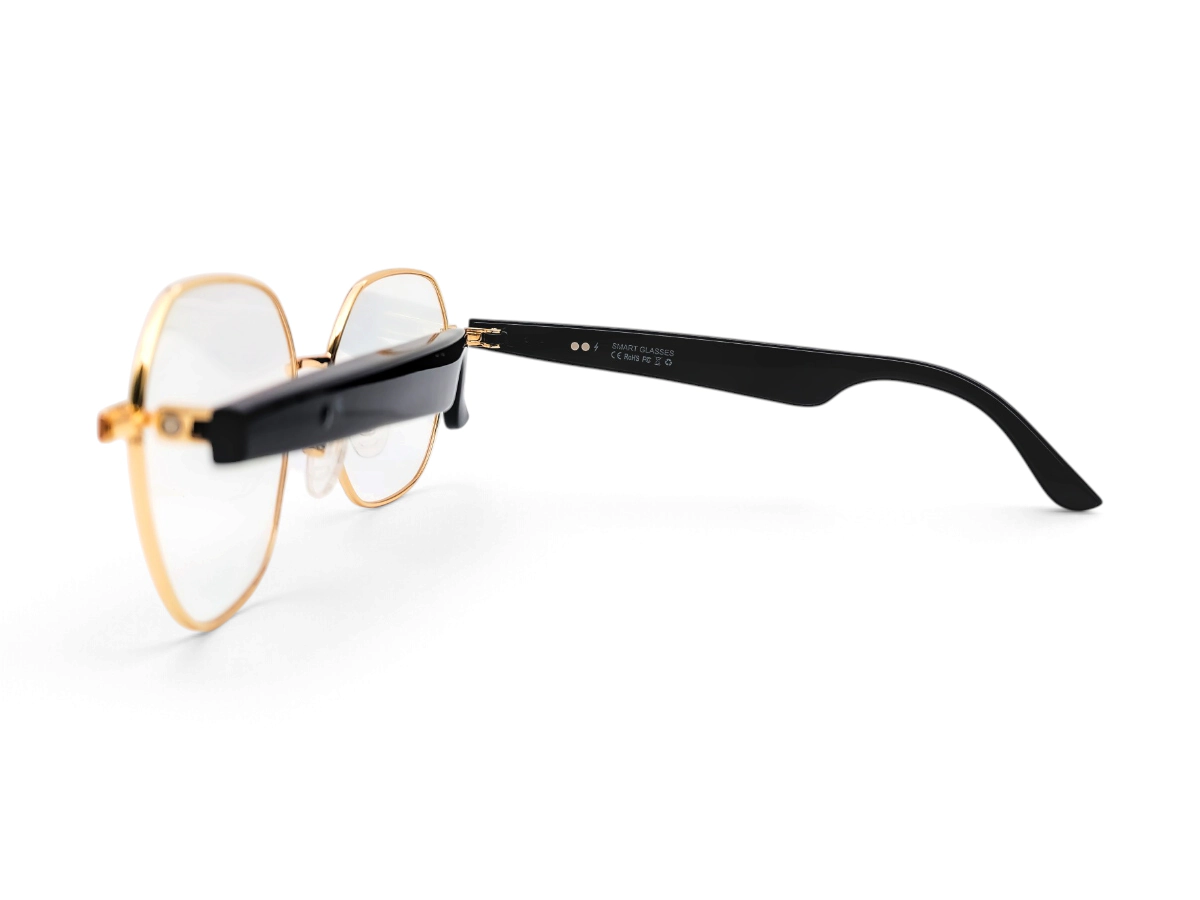
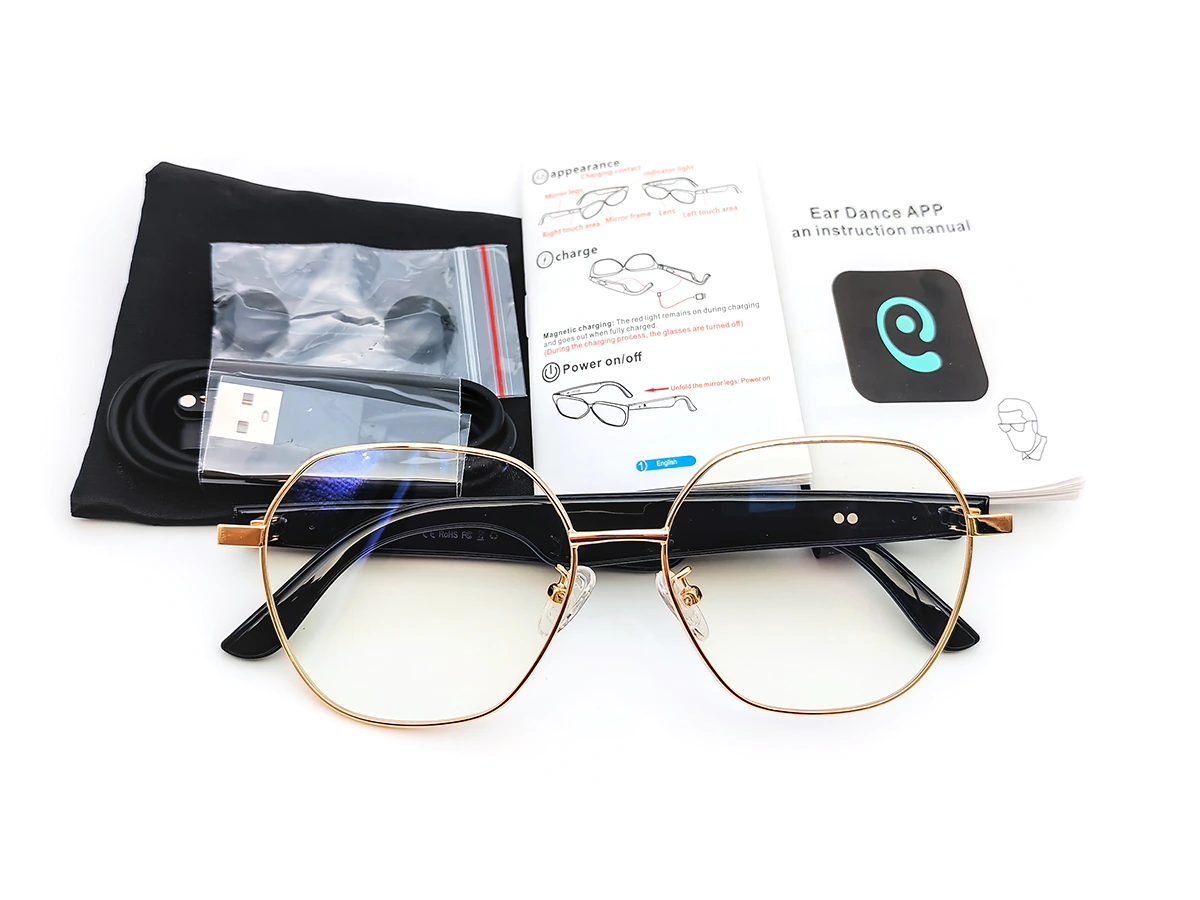
Smart glasses adds new constraints around temple volume, hinge position and finished balance. The frame architecture needs to account for those requirements without losing the intended eyewear proportions.
REFERENCE STYLES
These reference styles highlight product directions that go beyond a standard frame specification, from clip-on and folding structures to unusual material pairings and proportions. They give brands a practical way to compare function, construction and visual character when defining custom eyewear products for a new collection.
CLIP-ON SYSTEM
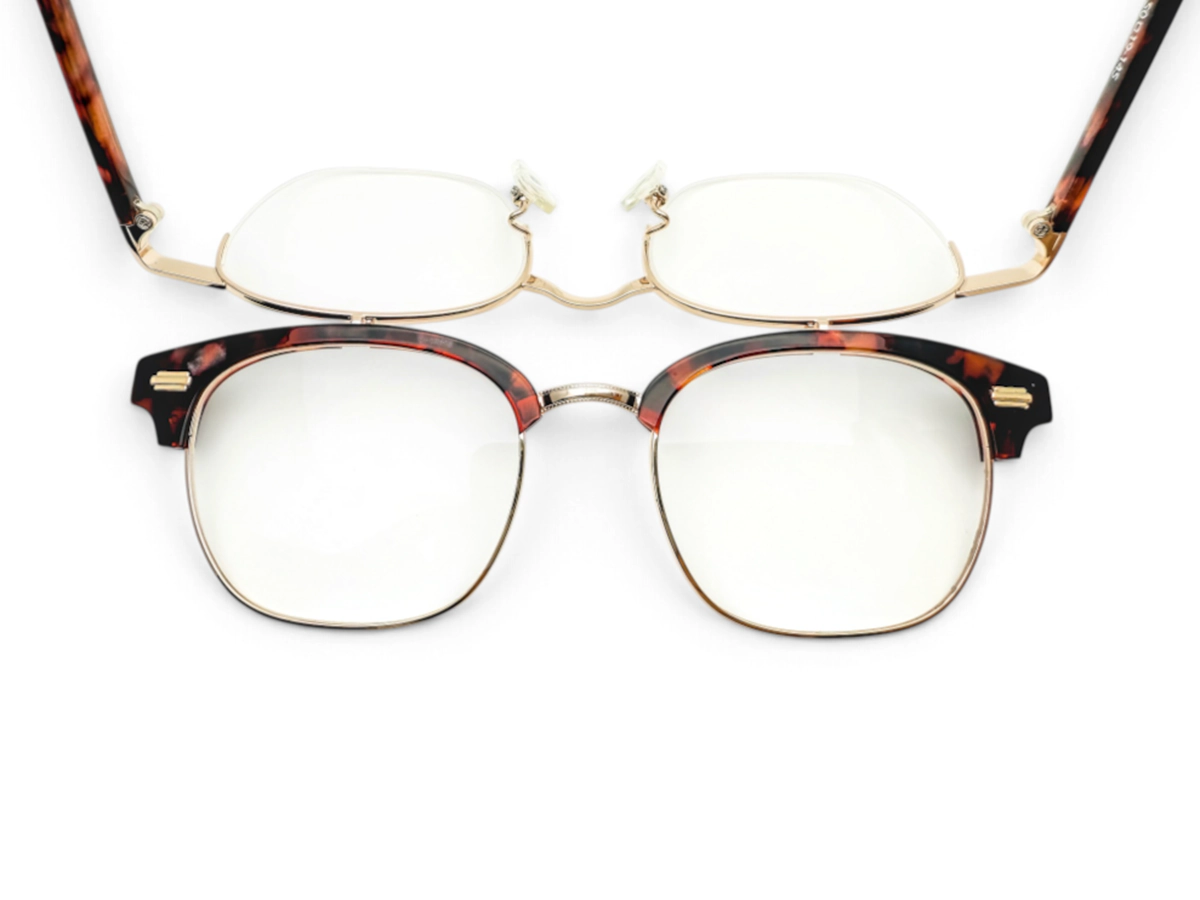
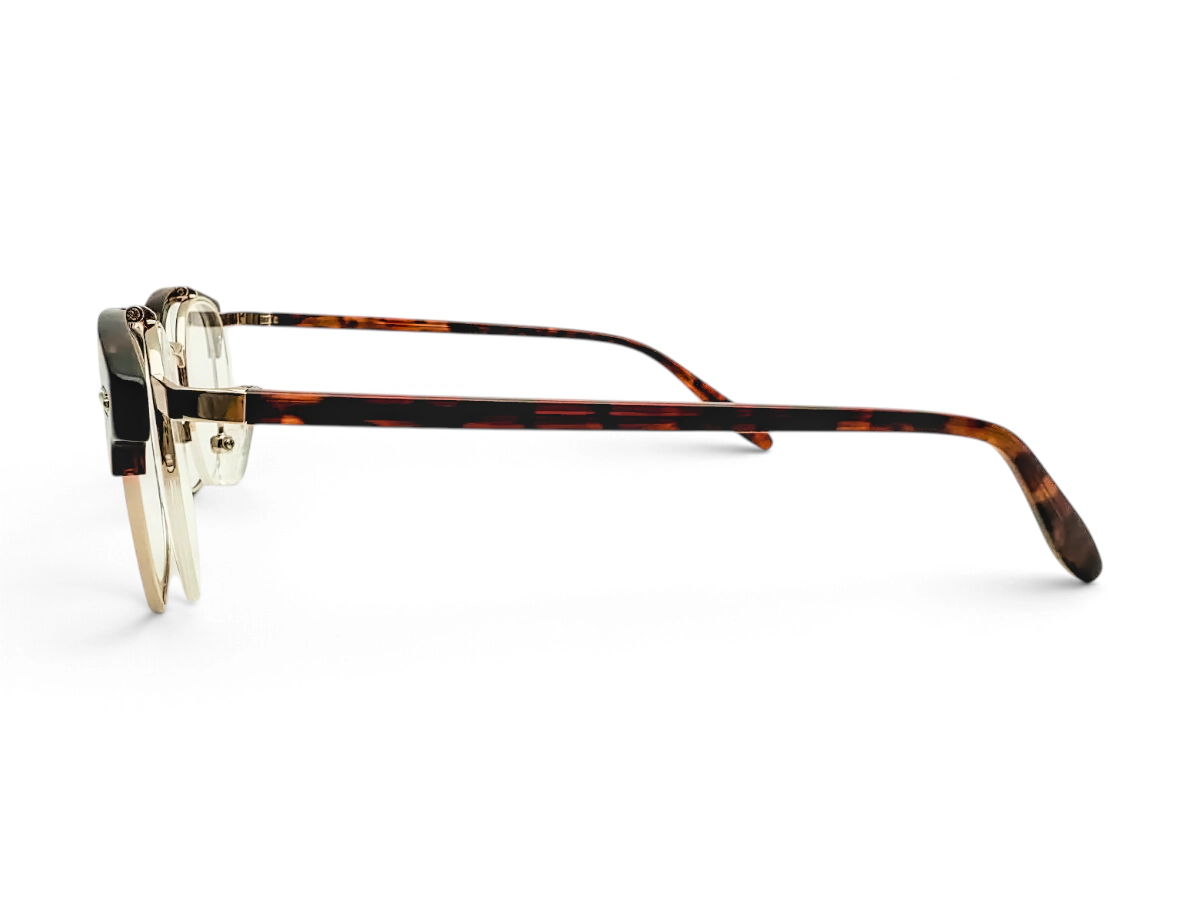
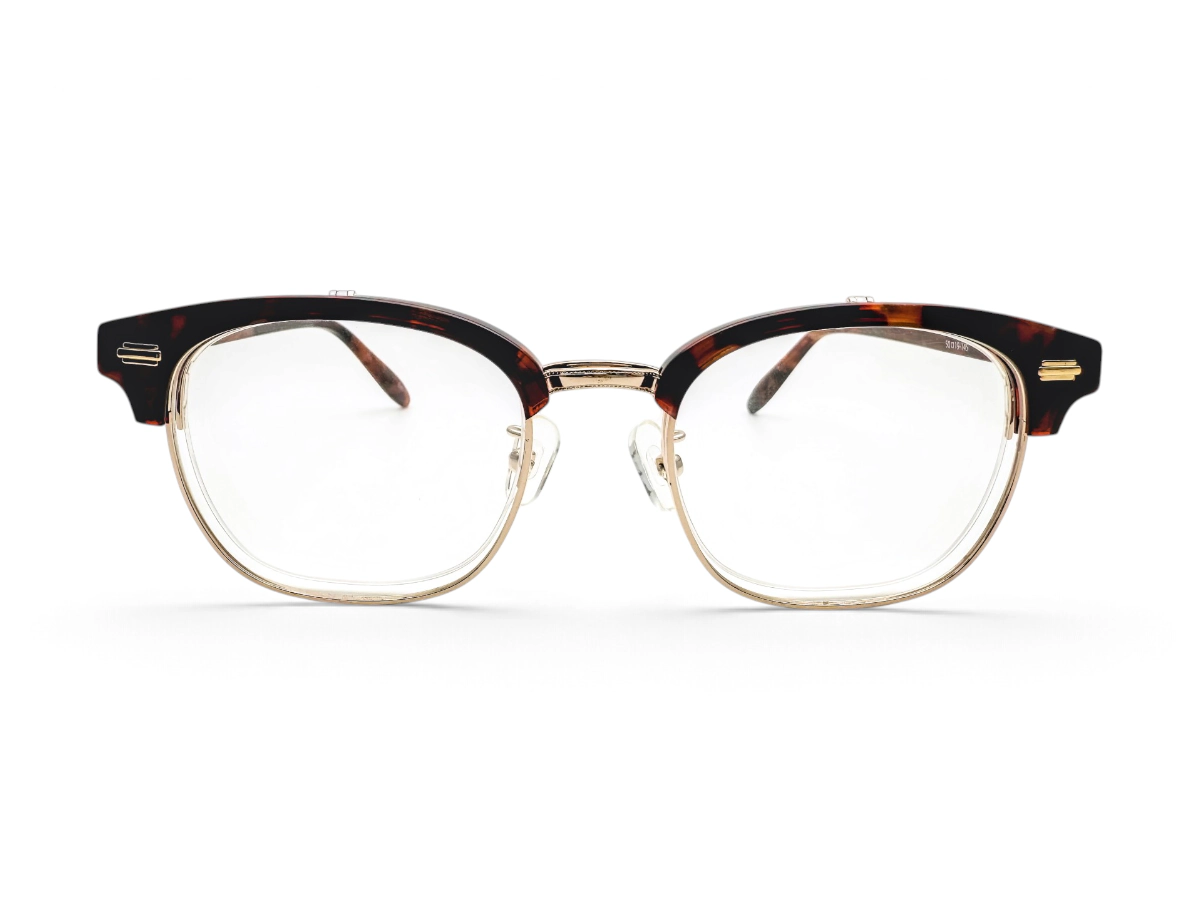
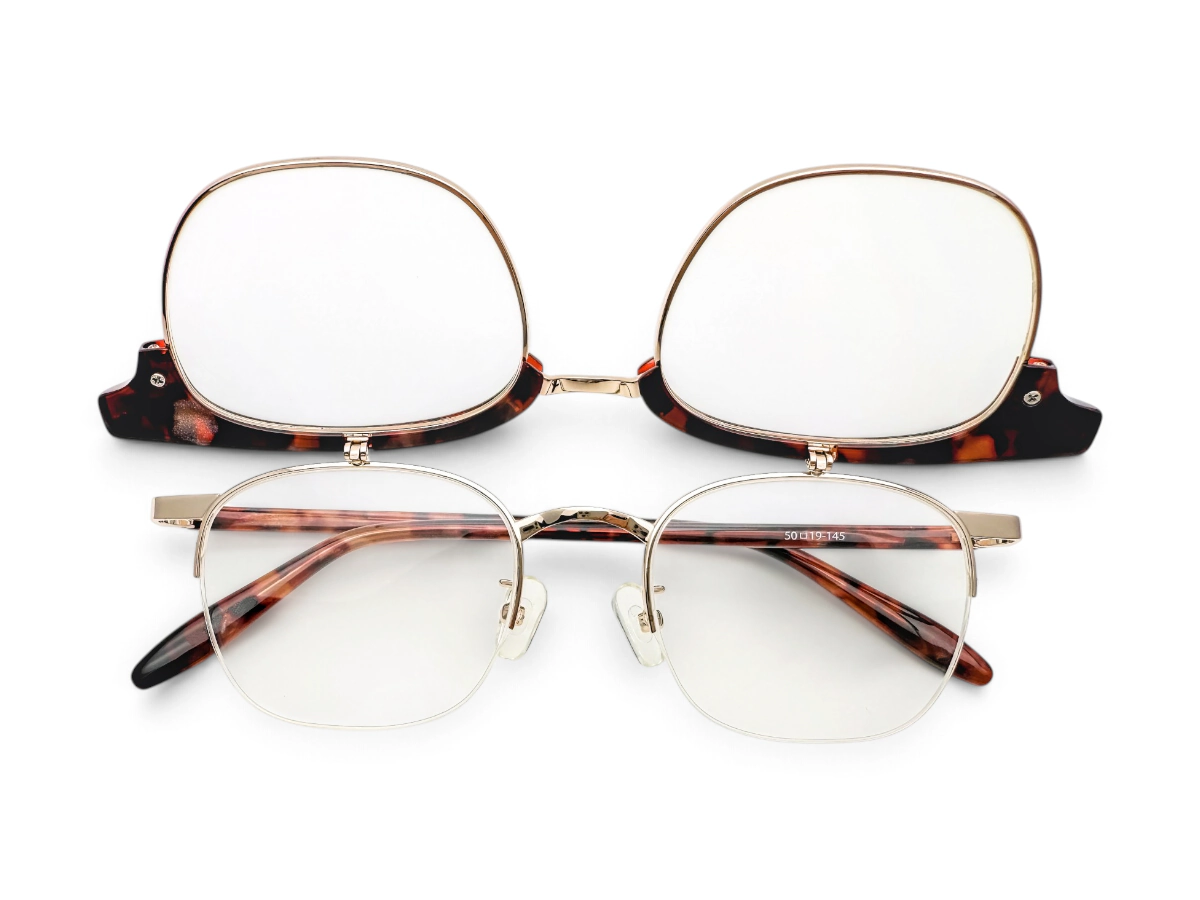
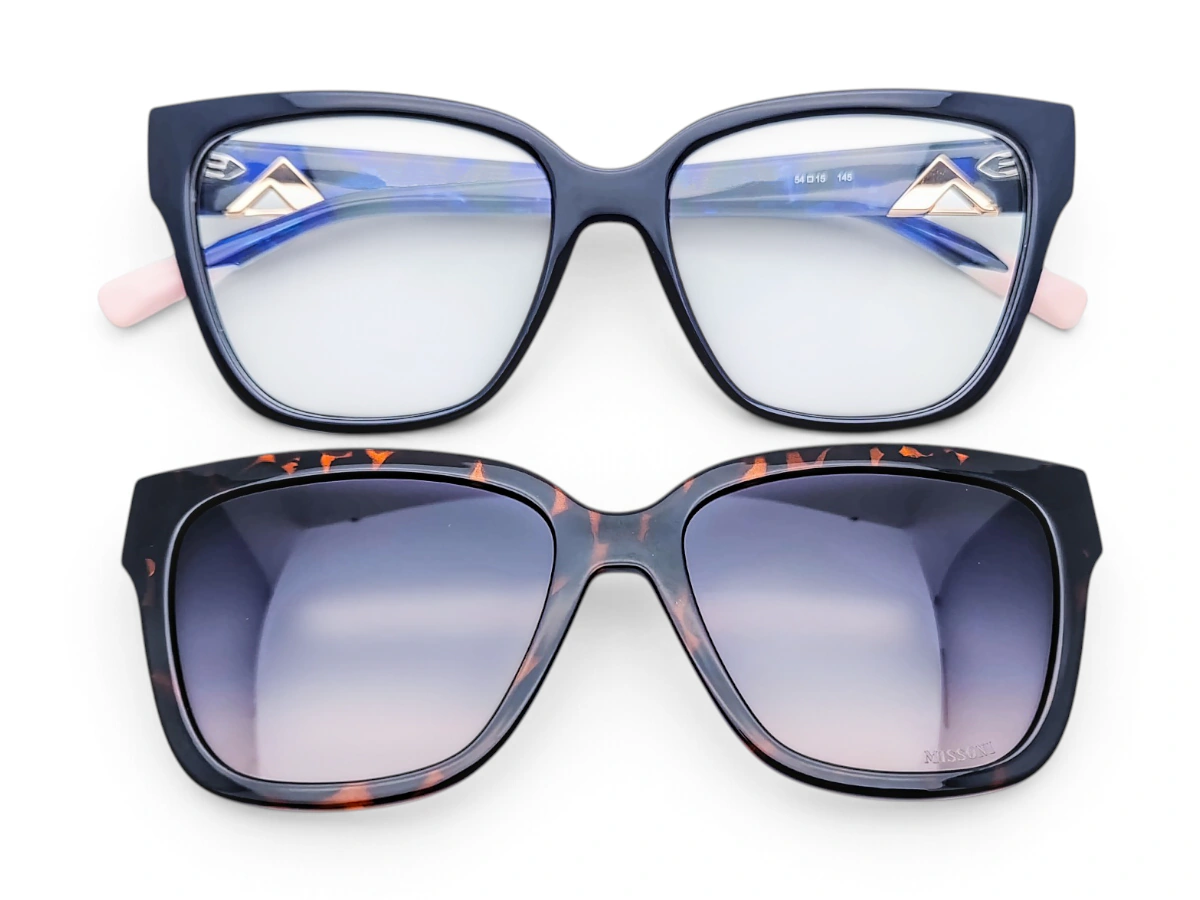
A slim optical base works with a separate outer front that changes the visible shape and material treatment. Development depends on how accurately the two fronts locate, overlap and sit together when assembled.
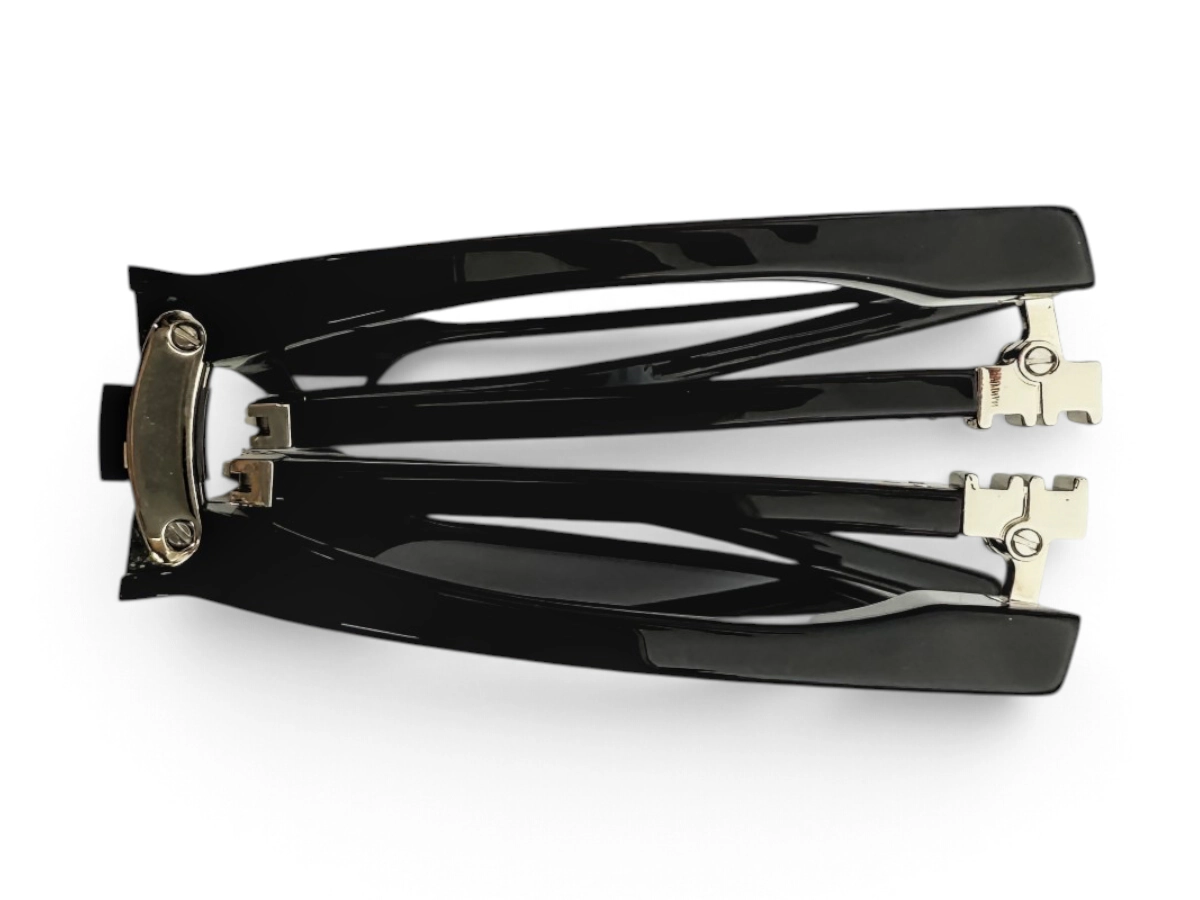
MULTI-HINGE FOLDING
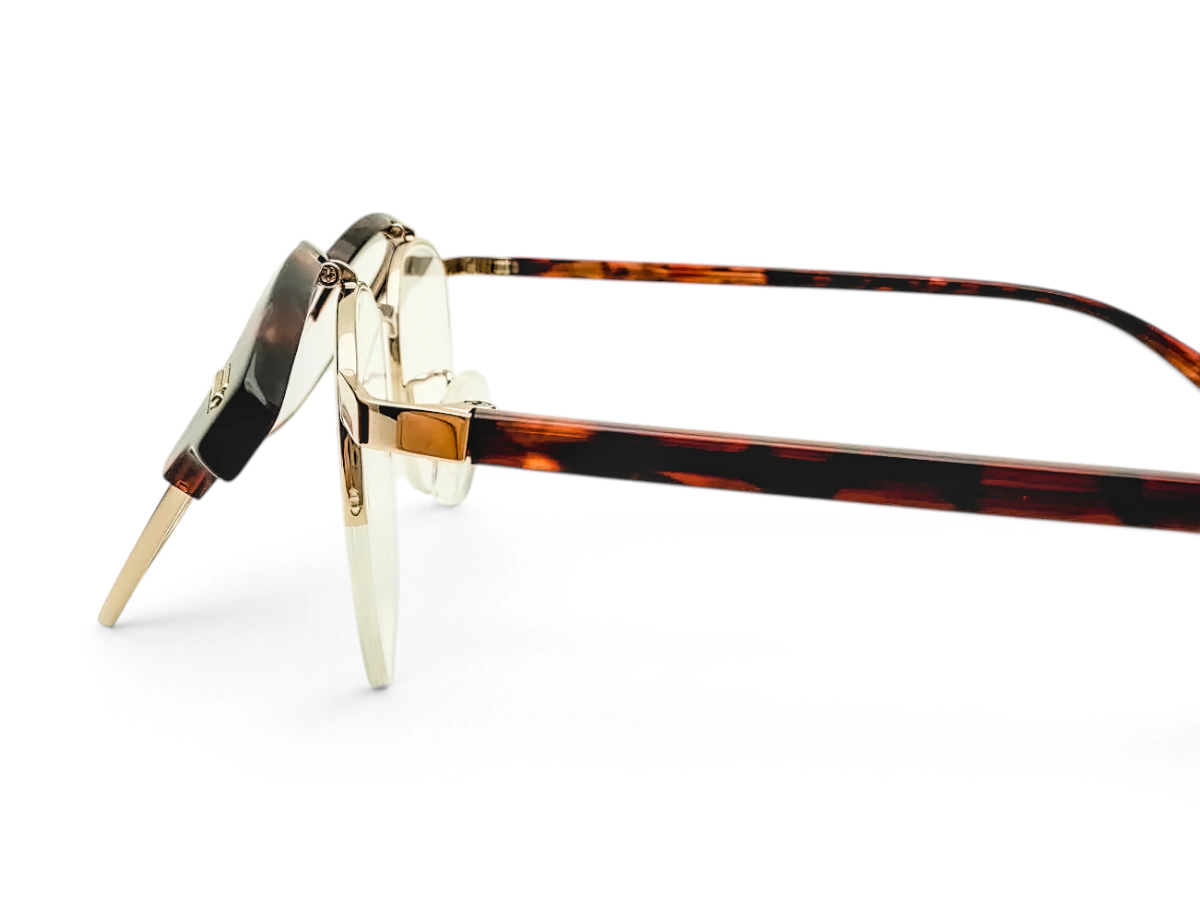
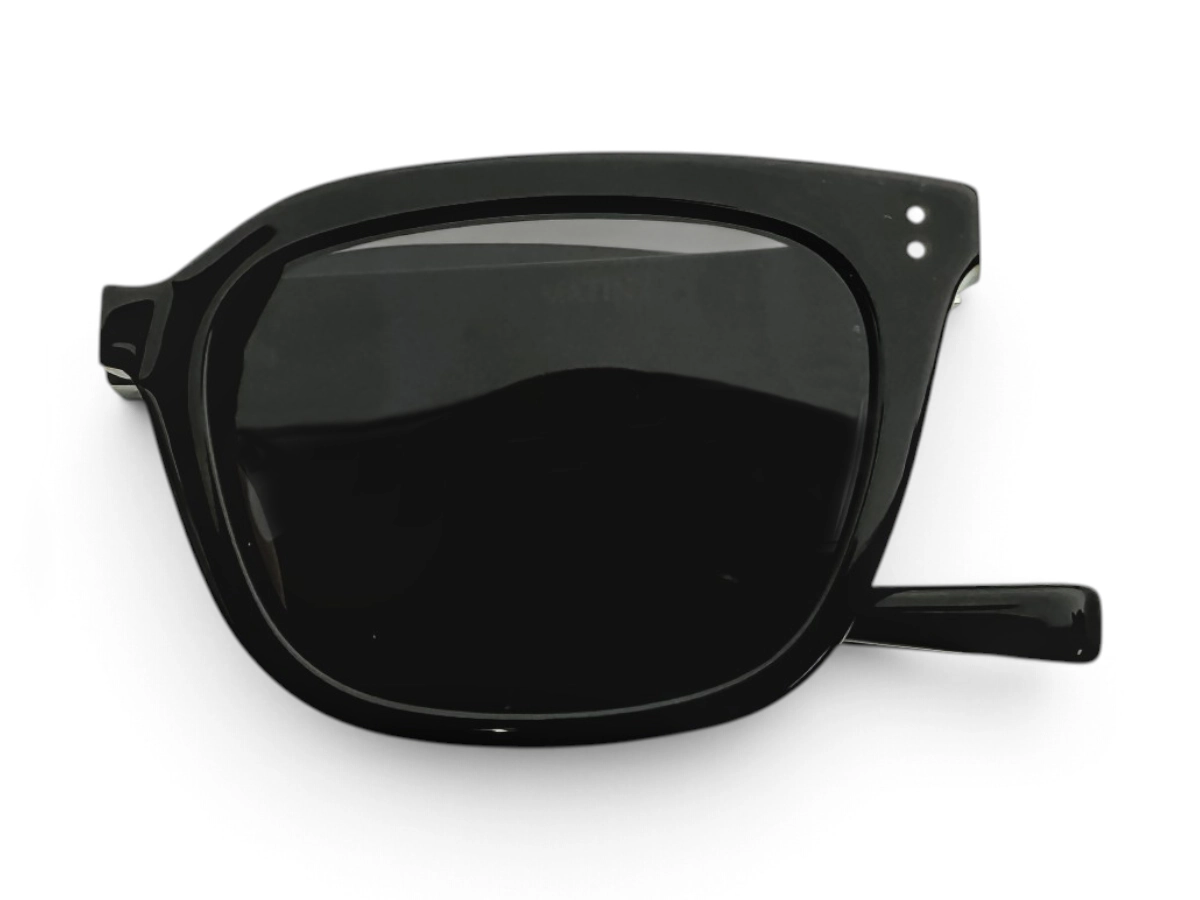
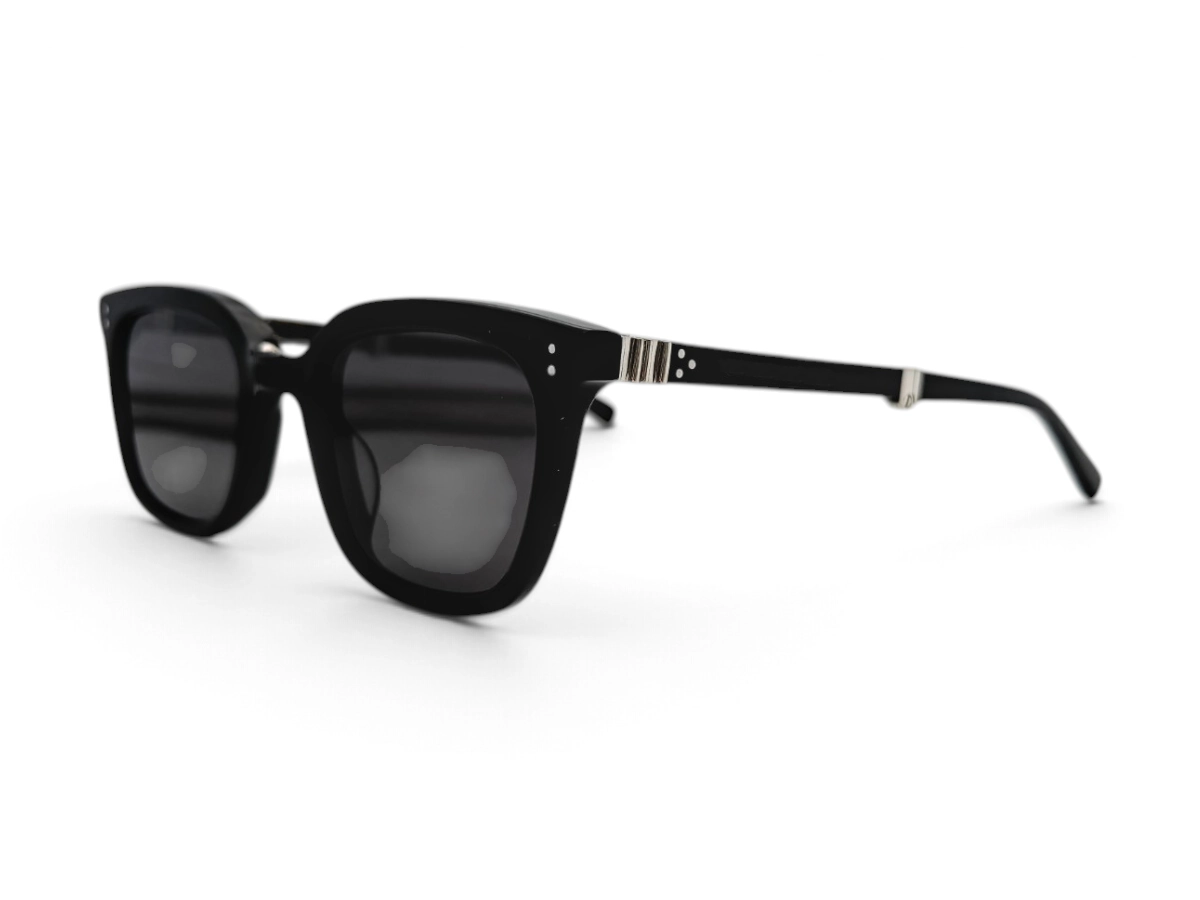
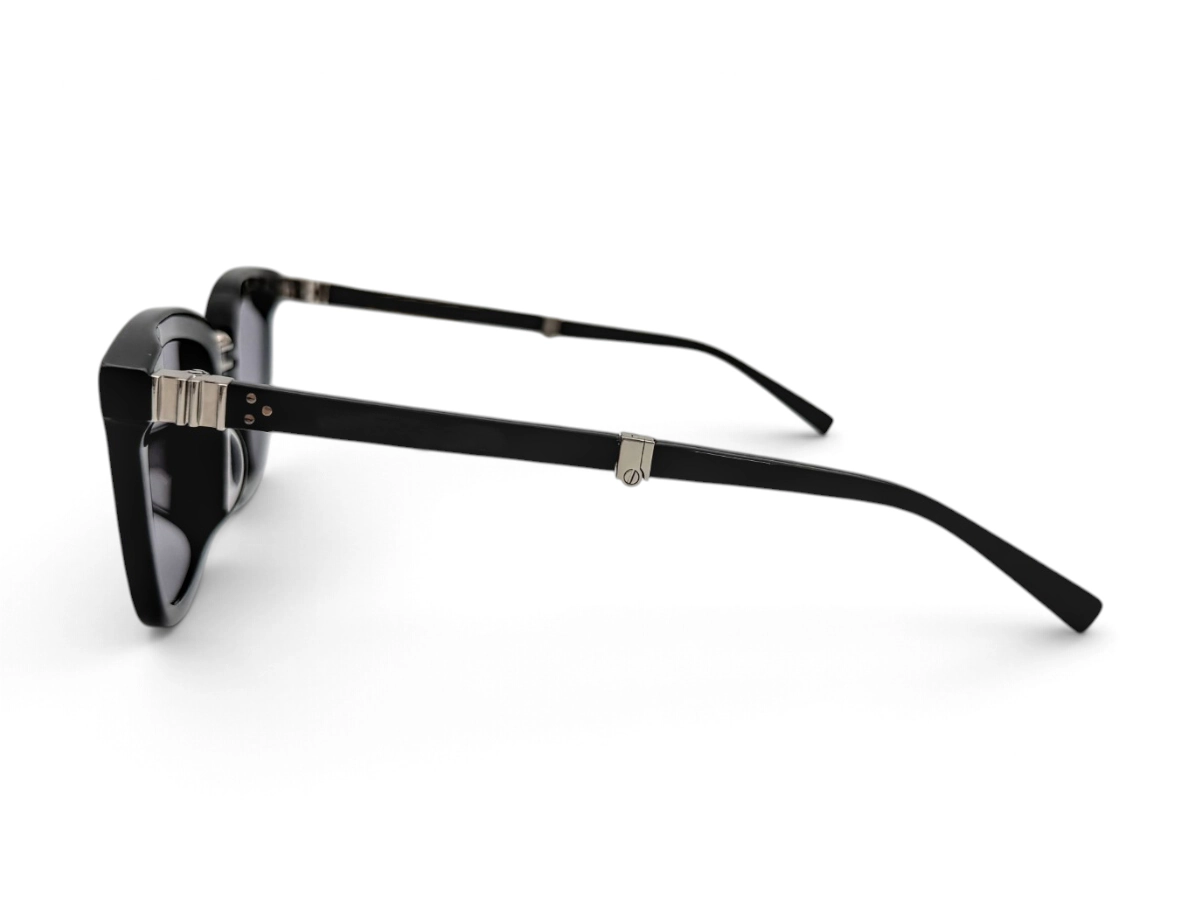
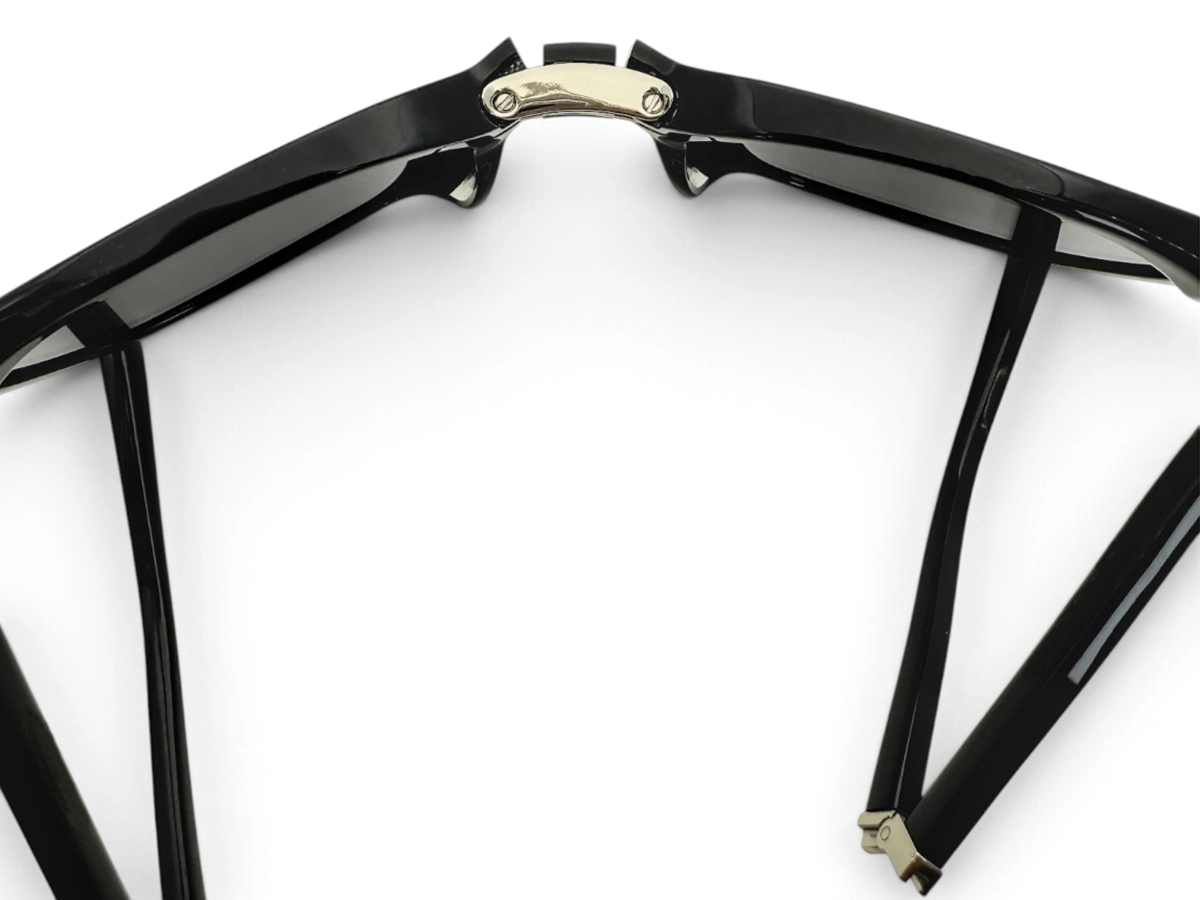
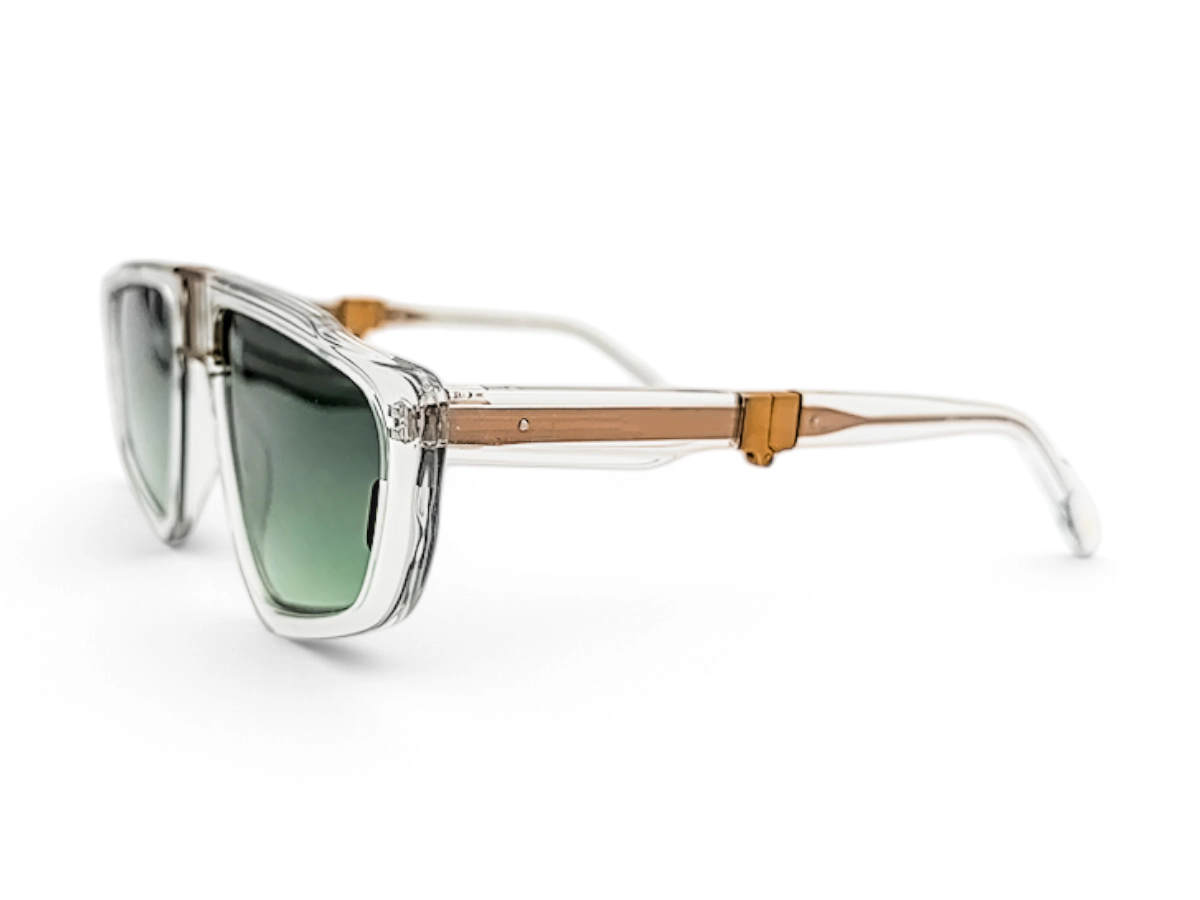
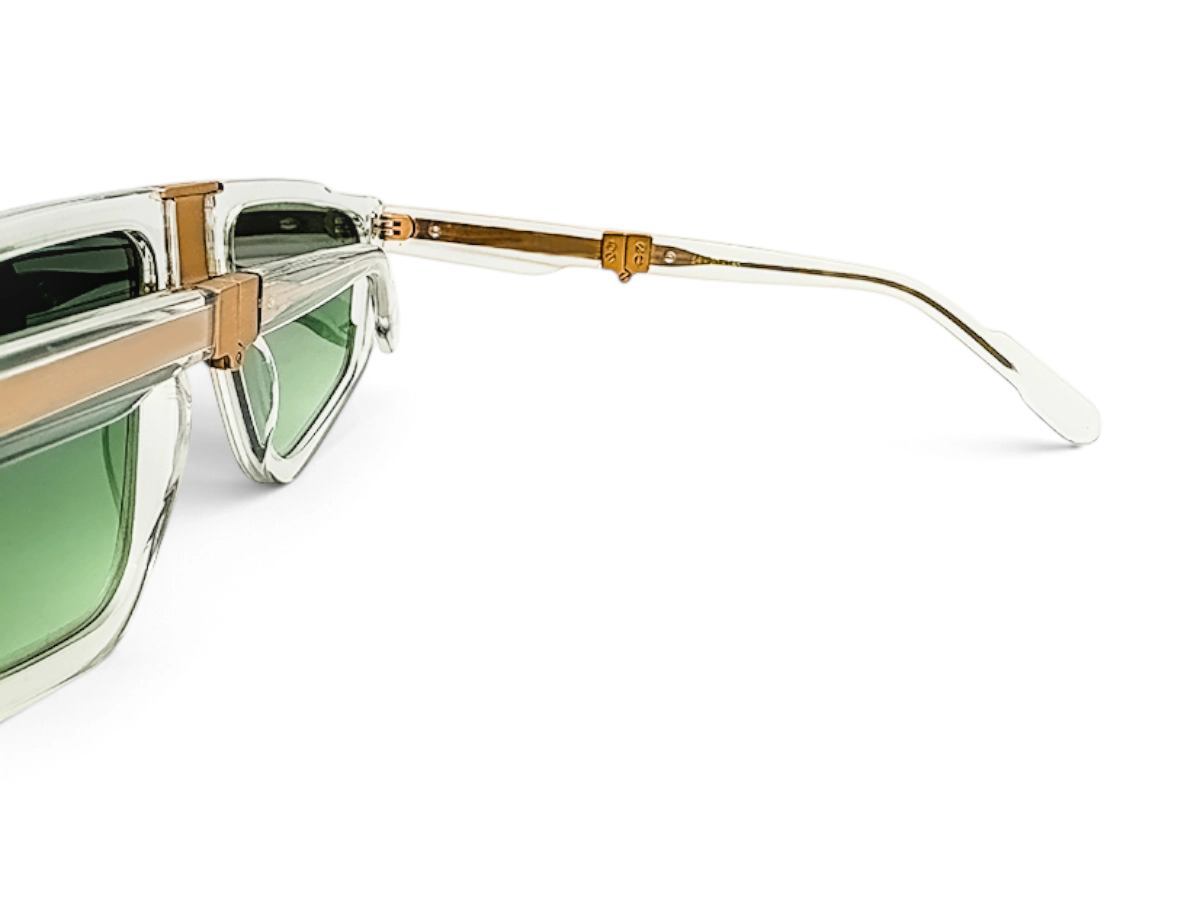
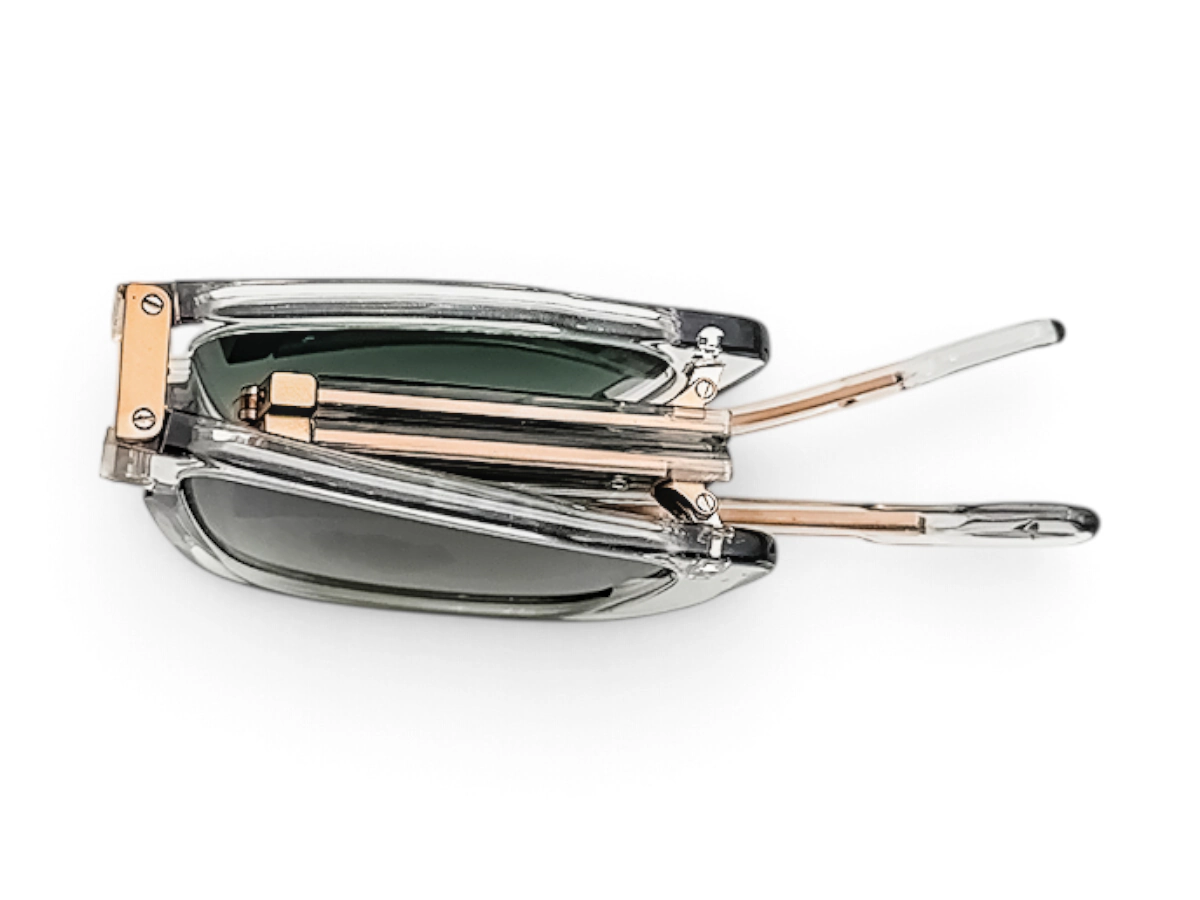
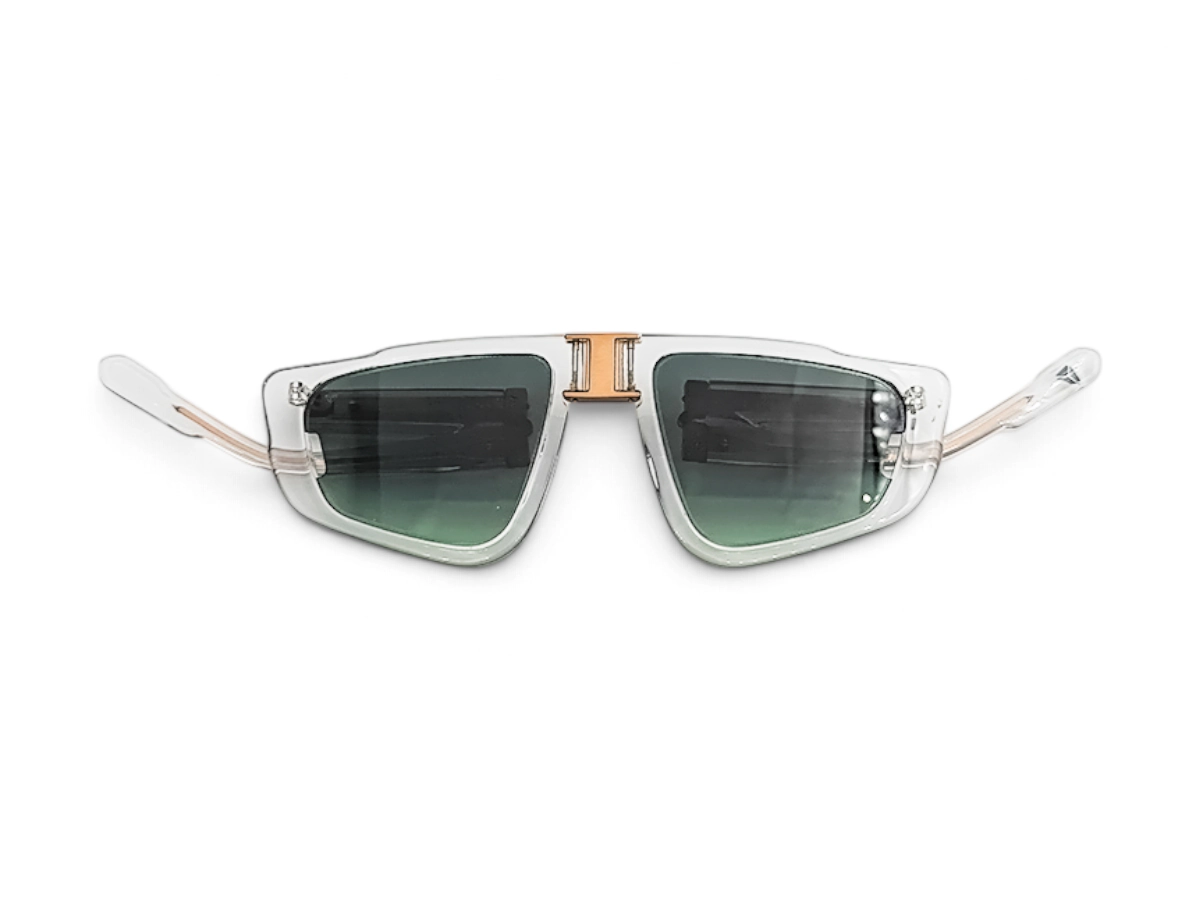
A thicker black front folds inward through dedicated bridge and temple joints. The closed package becomes compact, while the hinge positions still have to preserve front alignment and temple opening when the frame is returned to use.
MATERIAL PAIRING
Natural horn gives the front depth and tonal variation, while titanium keeps the temples and side structure lighter. The two materials meet at the endpiece, where thickness, fit and alignment need to remain clean and controlled.
CLIP-ON SUNGLASSES
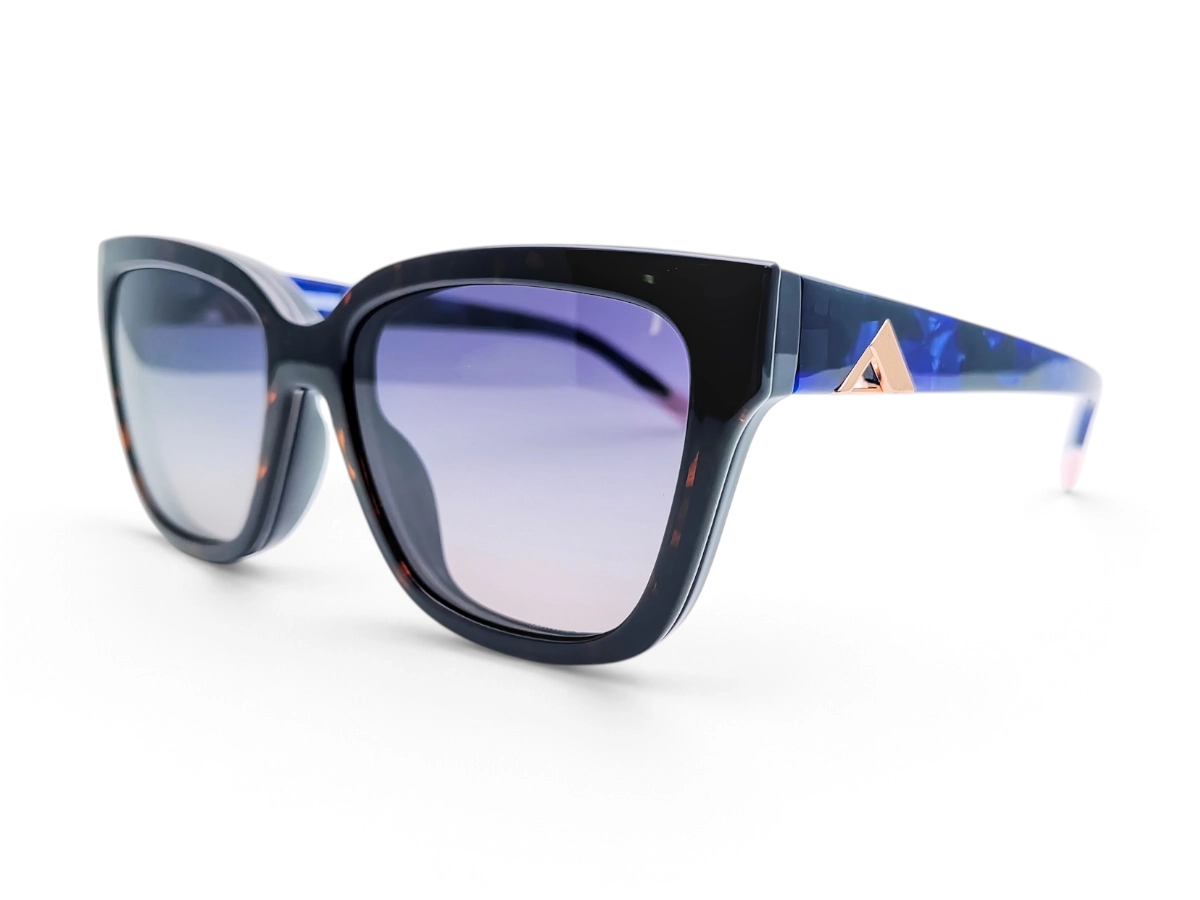
A full optical frame is paired with a separate tinted sunglass front. Compared with a simple decorative overlay, the front shape, lens coverage and attachment points all need to correspond closely with the base frame.
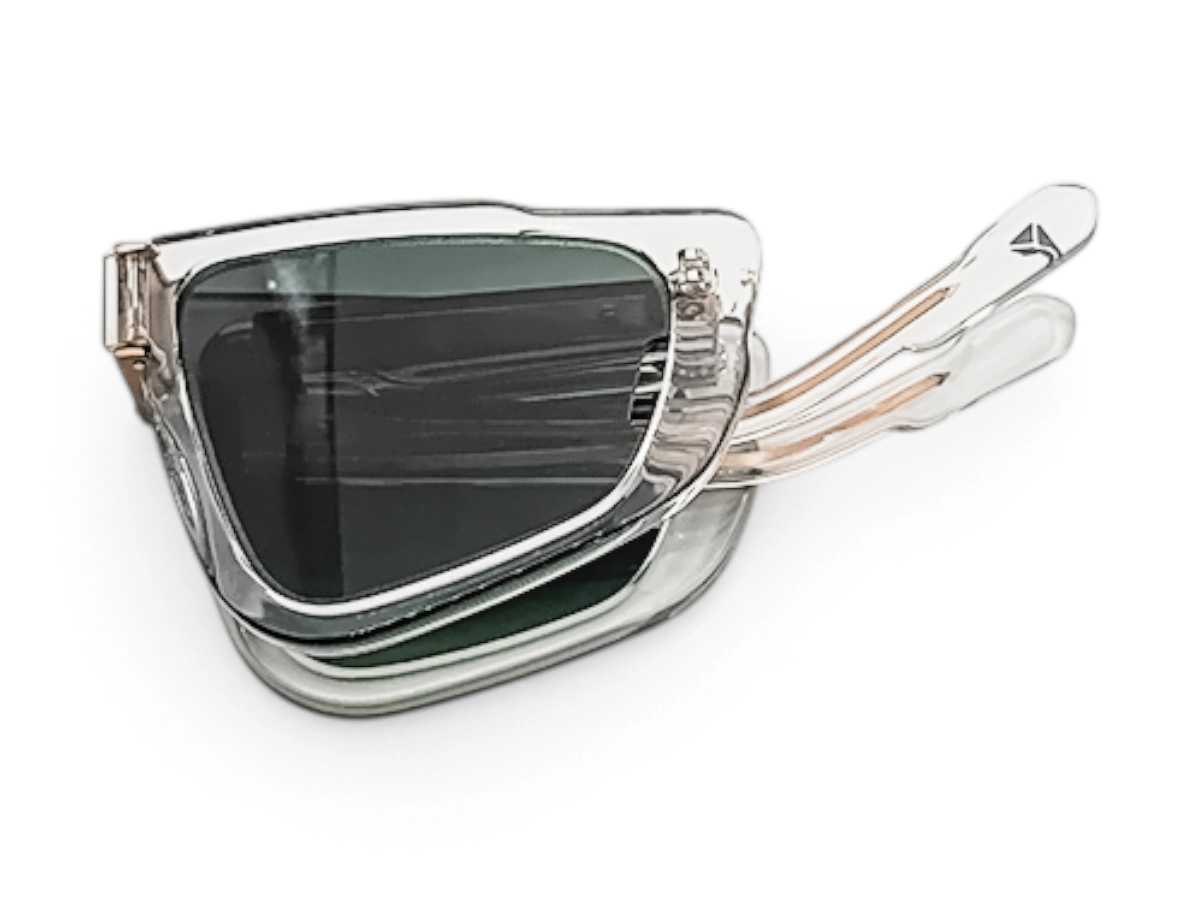
FOLDING STRUCTURE
Multiple hinge points allow the front and temples to fold into a much smaller package. The engineering question is not only how compact the frame becomes, but whether the opened geometry returns consistently after repeated folding.
DESIGN DIRECTION
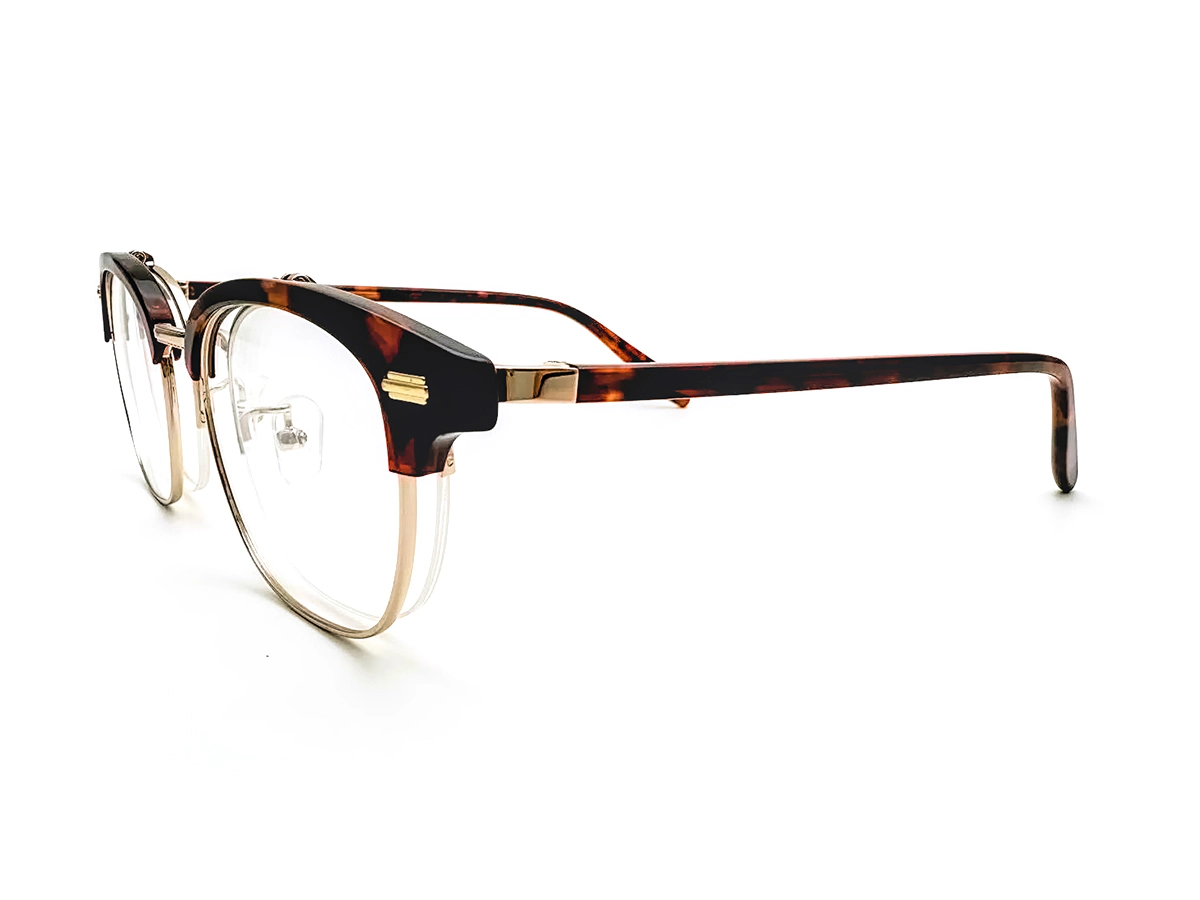
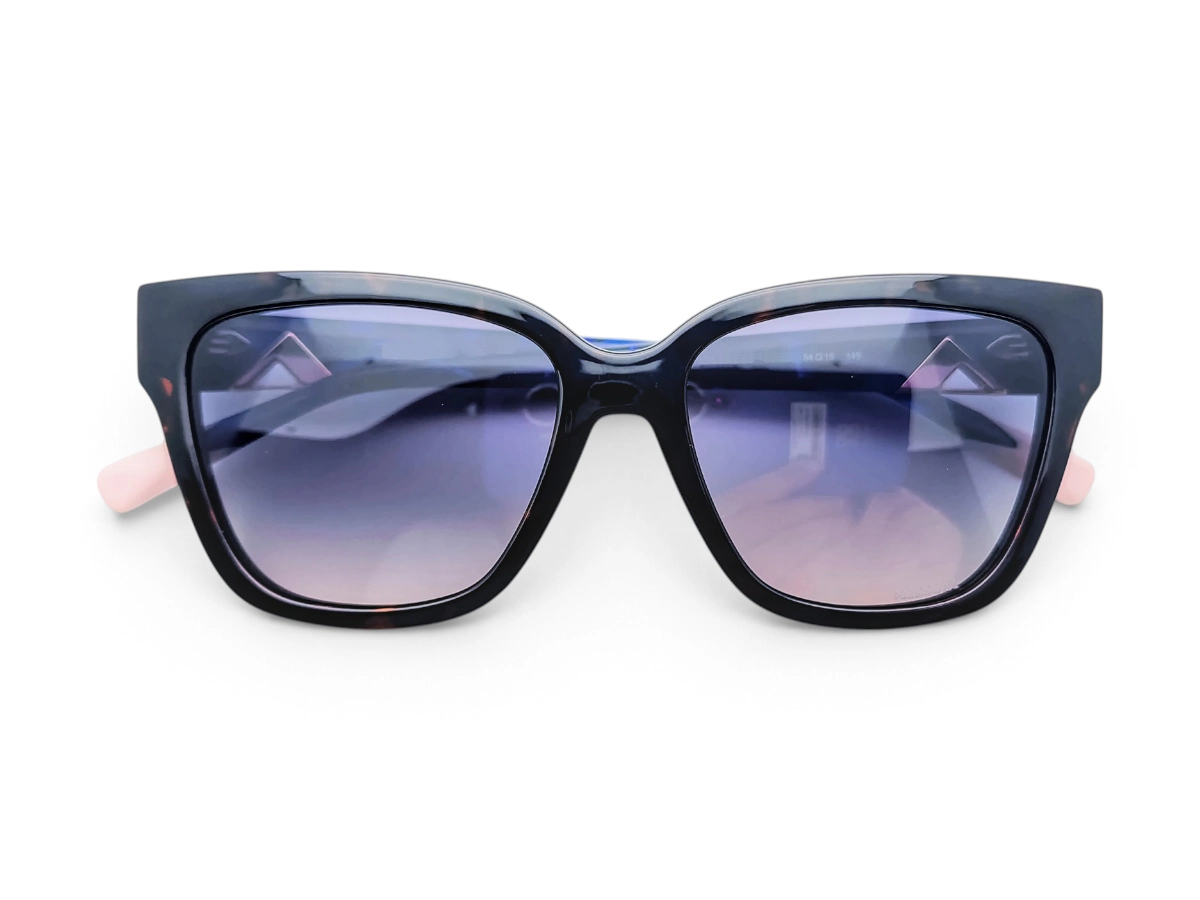
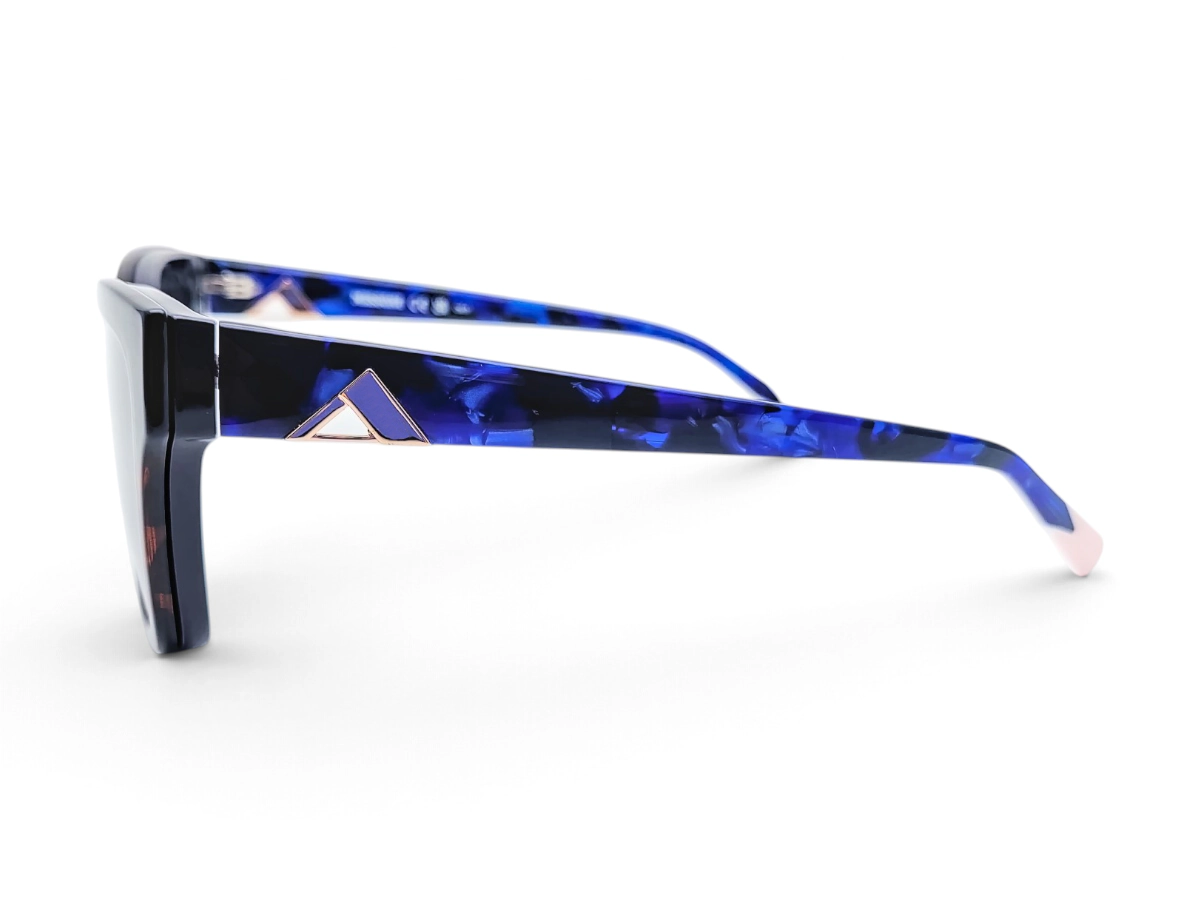
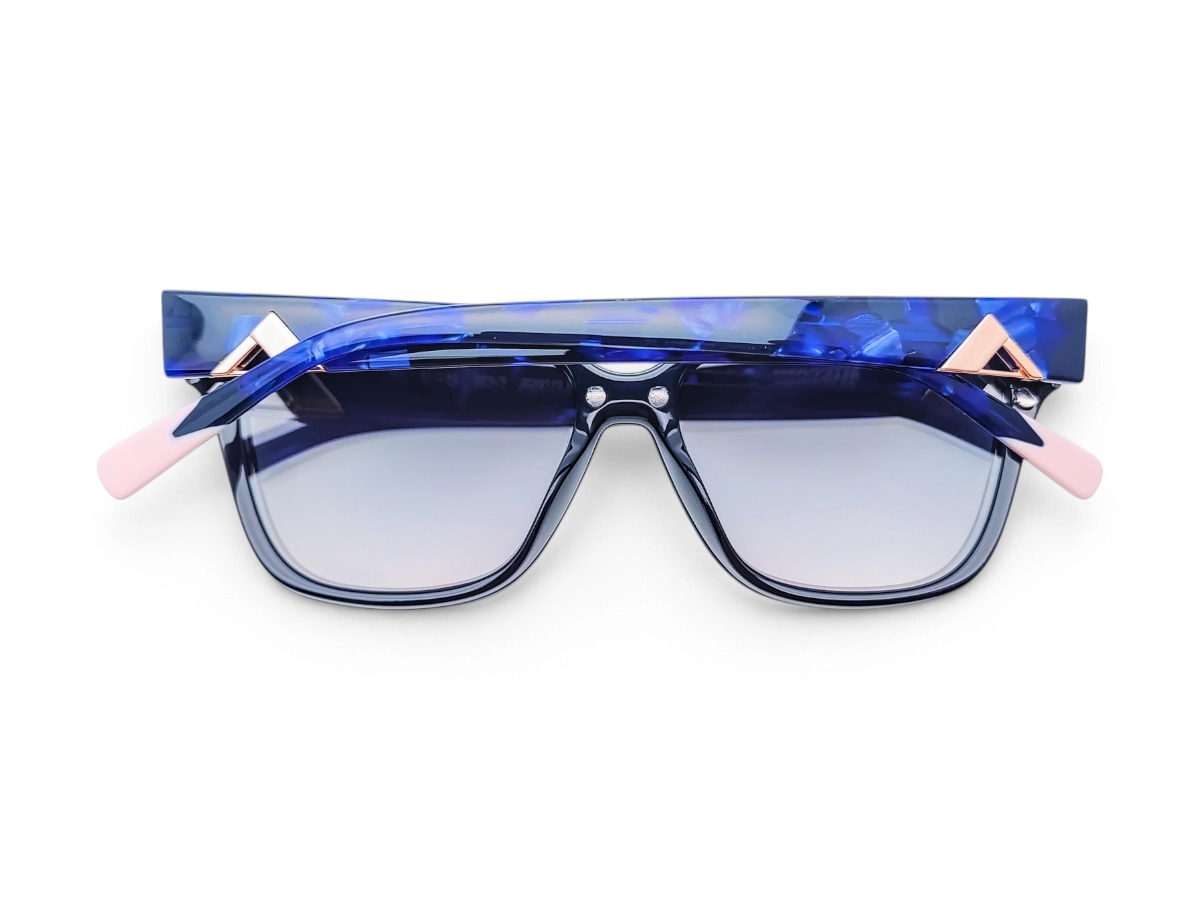
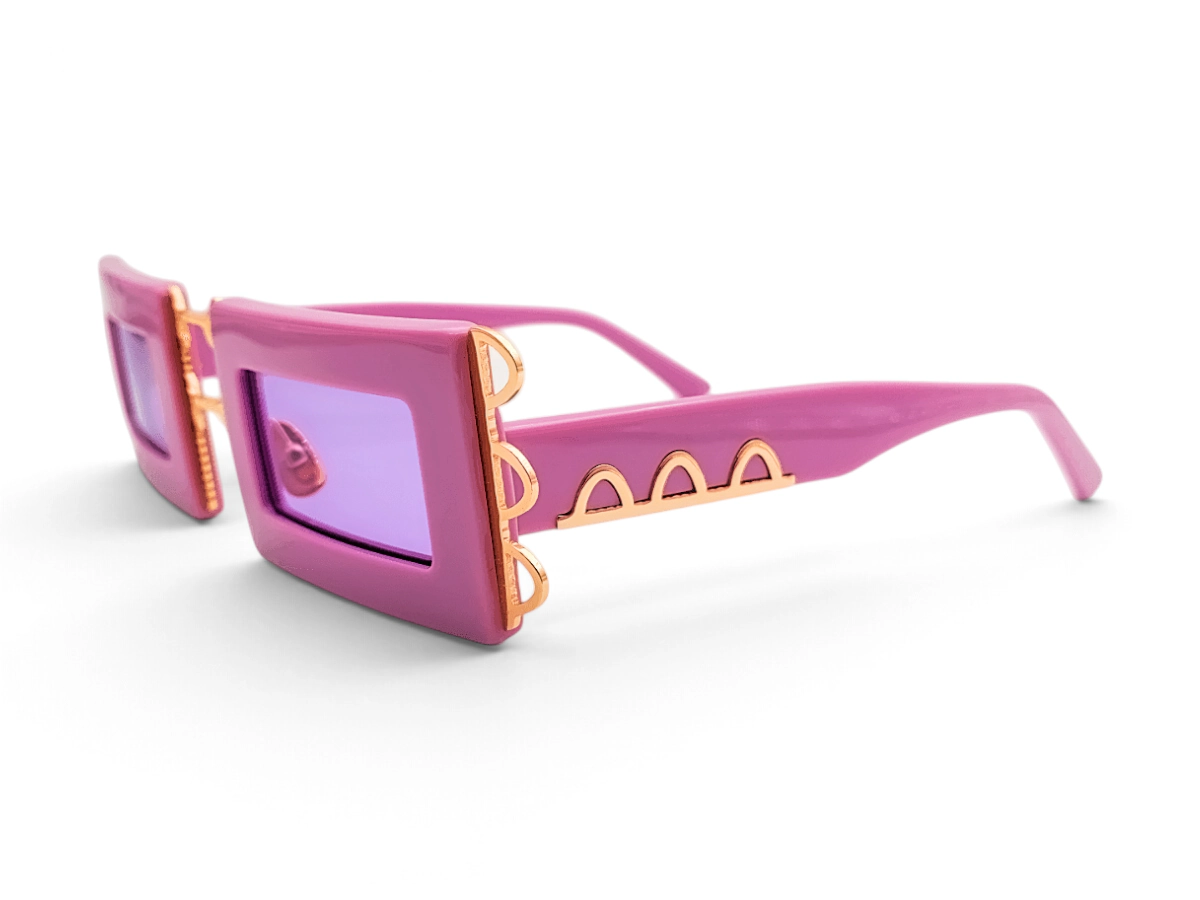
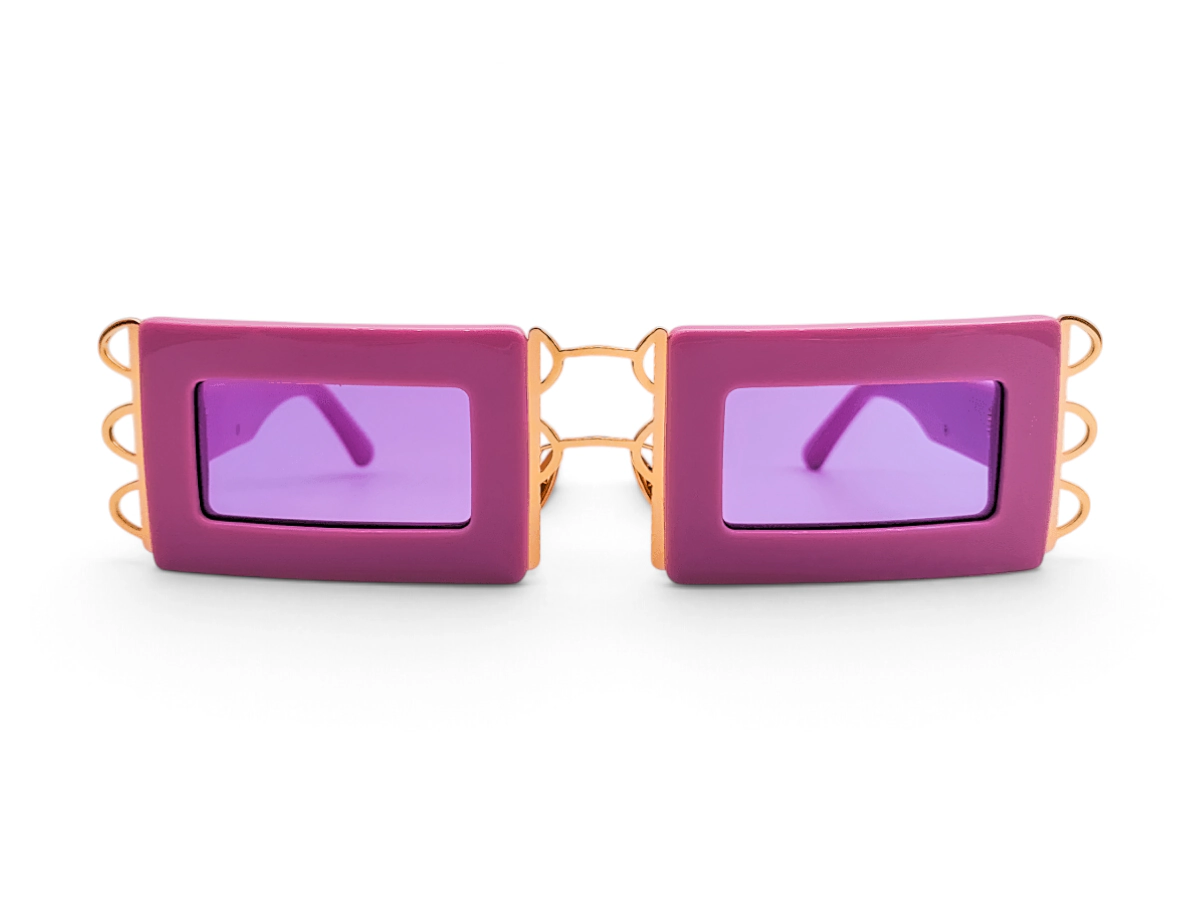
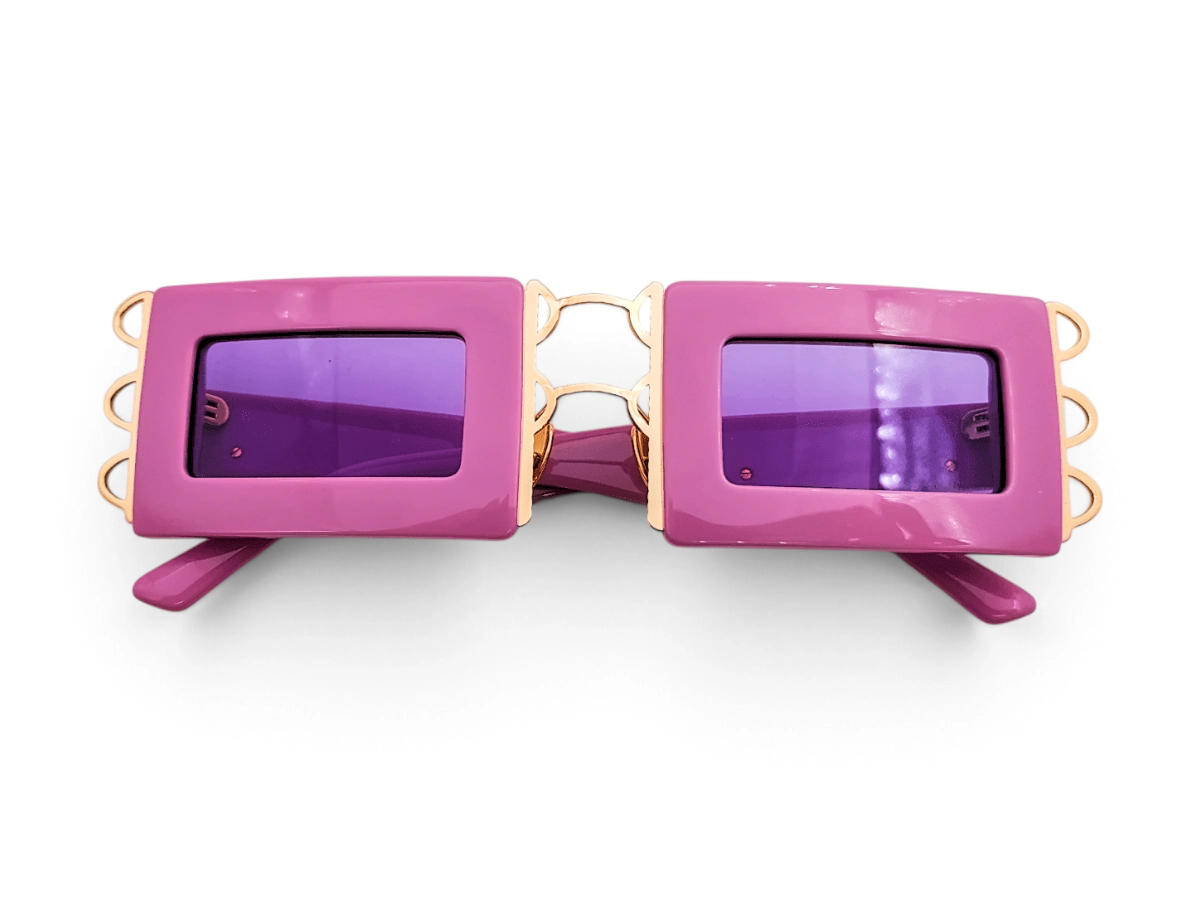
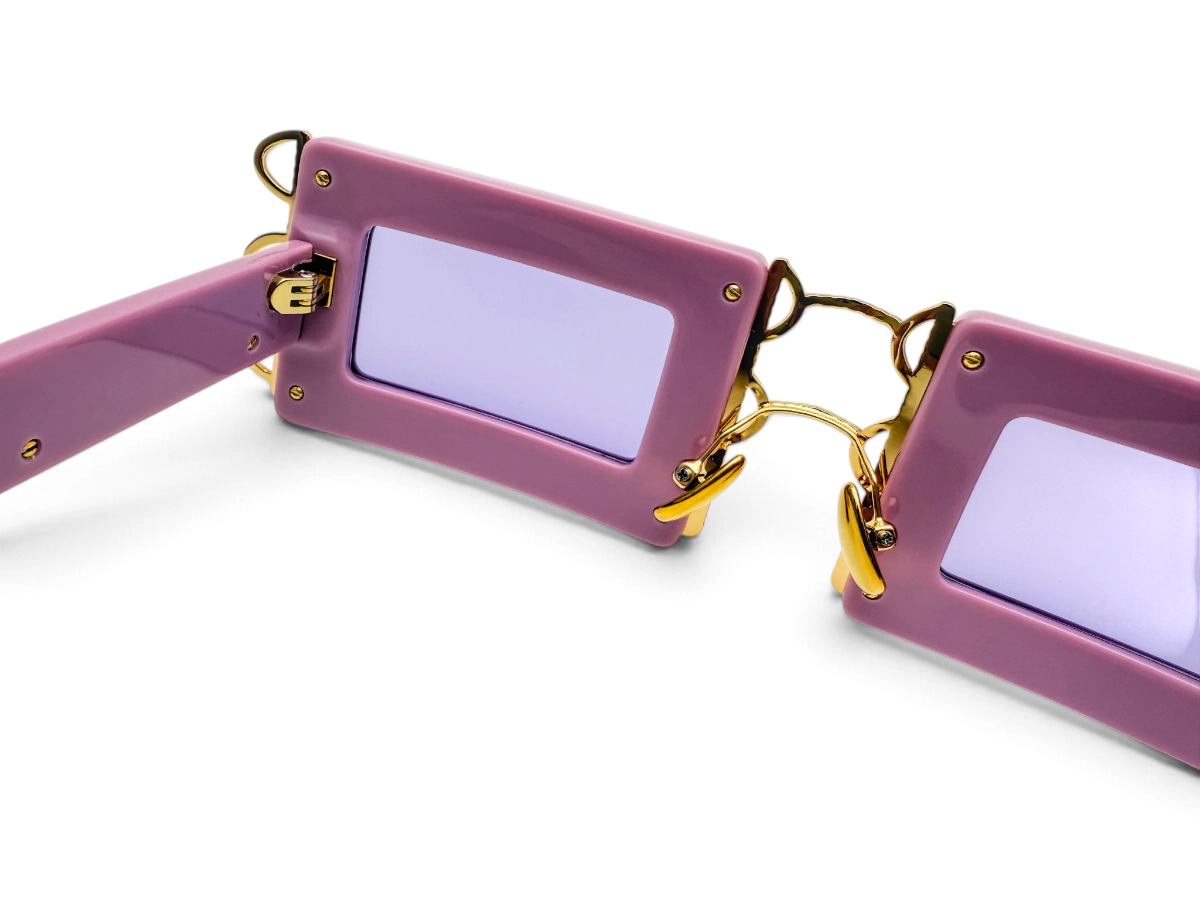
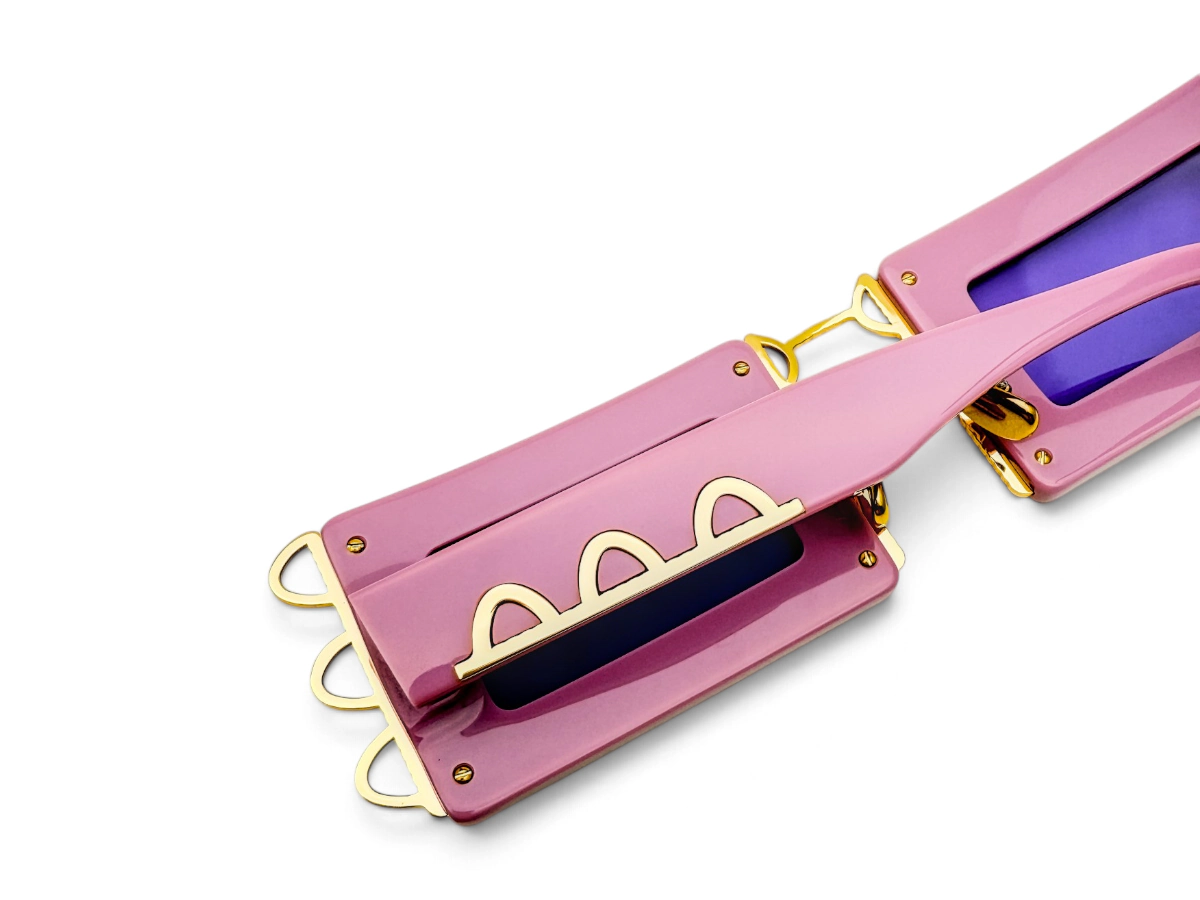
Bold acetate blocks define the lens shape, while gold-tone metal details continue through the bridge and side structure. This reference highlights the relationship between color, proportion and hardware rather than material choice alone.
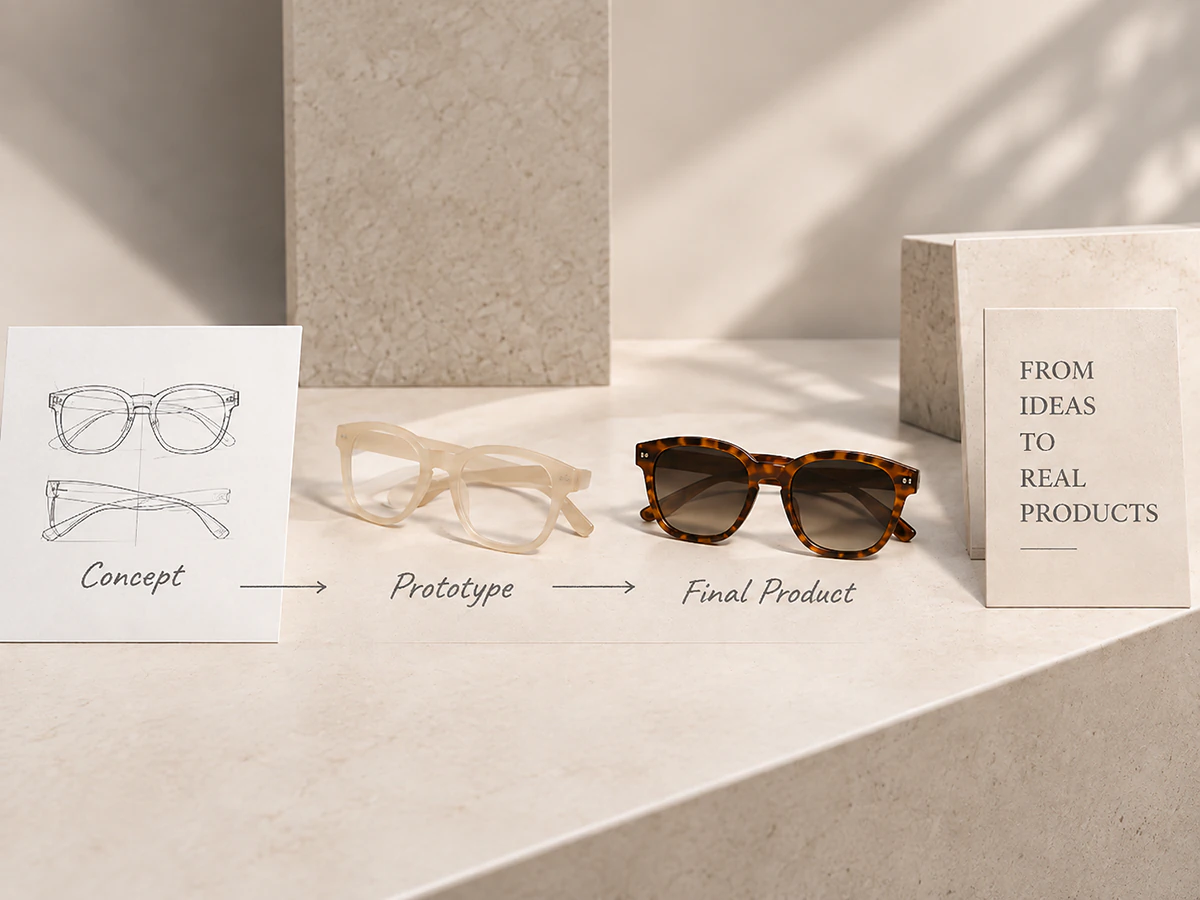
Brands planning new eyewear collections can send a reference frame, target material or short product brief. We will tell you which product direction is realistic and what information is needed next.
We use cookies to support essential website functions. You can find details about the cookies used on this site in our Cookie Policy.