
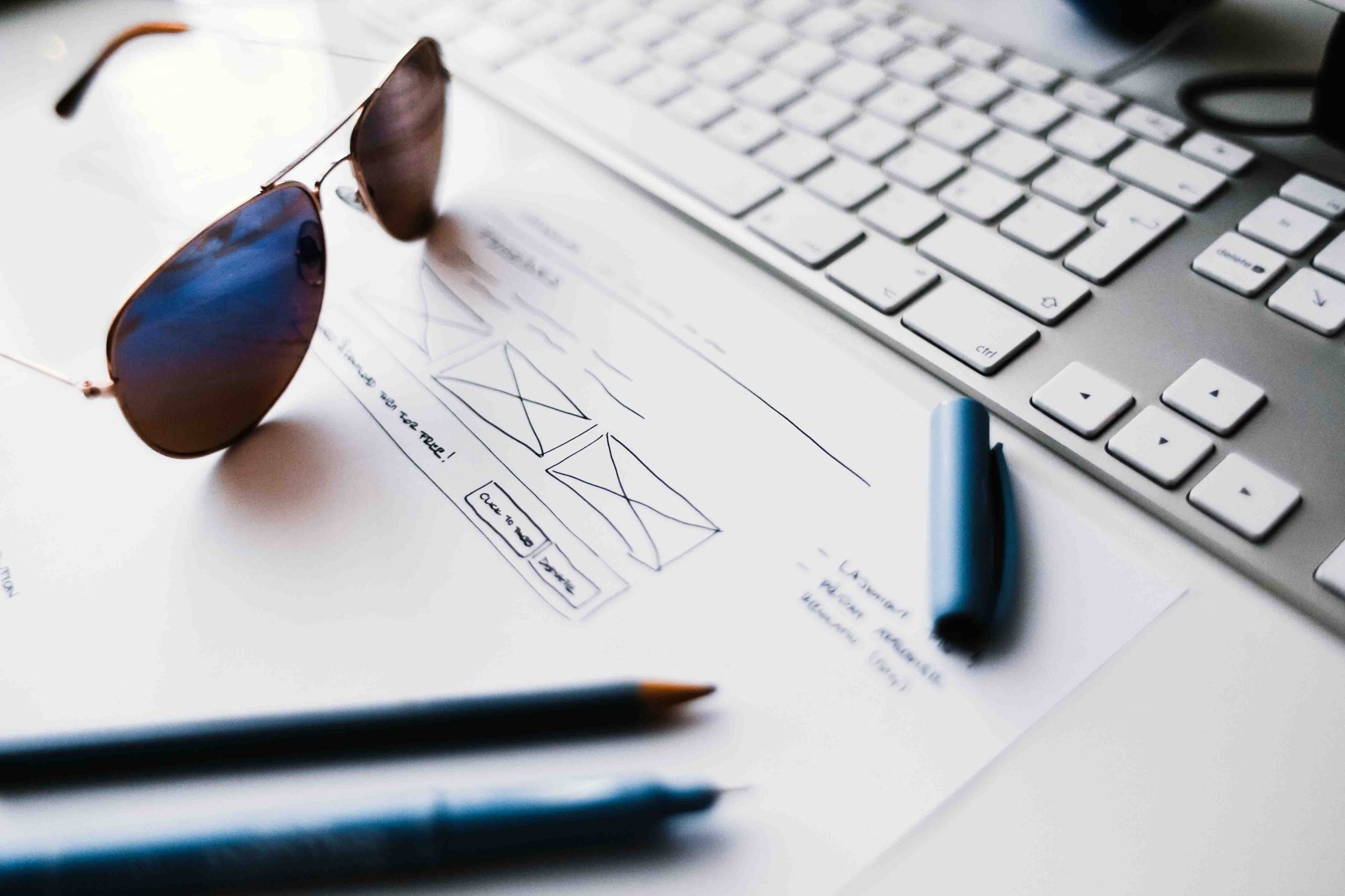
Eyewear design is a fascinating field that combines fashion, technology, and art. From the classic aviator to the trendy cat-eye, eyewear design has come a long way over the years.
Fashion meets function
Eyewear design is all about fashion meeting function. Glasses are no longer just a tool for correcting vision, but also a fashion accessory that can enhance your style. Designers take into consideration the latest fashion trends and the customer’s needs when creating their designs. They use materials such as metal, plastic, and wood to create frames that are not only stylish but also durable and comfortable.
Innovation at its best
Eyewear design is all about innovation. Designers are always looking for new ways to improve their designs, whether it’s by using new materials or incorporating new technology. For example, some glasses now come with blue light blocking technology to protect our eyes from the harmful effects of blue light emitted by screens. Other glasses come with adjustable nose pads to ensure a perfect fit for every customer.
Artistic expression
Eyewear design is also a form of artistic expression. Designers use their creativity to create unique and beautiful designs that reflect their personal style. For example, some designers incorporate intricate patterns and designs into their frames, while others use bold colors and shapes to make a statement.
Sustainability
Eyewear design is also becoming more sustainable. Many designers are now using eco-friendly materials such as bamboo and recycled plastic to create their frames. They are also using sustainable production methods to reduce their impact on the environment.
There are several steps to pay attention to the design of glasses:
Step 1: Inspiration The first step in the design process of glasses is finding inspiration. Designers will look for inspiration from various sources such as fashion trends, art, and culture. They will also consider the needs of the customer, such as comfort, durability, and style.
Step 2: Sketching Once the inspiration is found, the designer will start sketching. This is where creativity comes in. The designer will create a blueprint of the glasses, taking into consideration the shape, size, and material of the frame. They will also consider the shape and size of the lenses.
Step 3: 3D Design Once the sketch is finalized, the designer will create a 3D design of the glasses. This is where innovation comes in. The designer will use computer-aided design (CAD) software to create a digital model of the glasses. This allows them to make precise adjustments to the design and see how it looks from different angles.
Step 4: Prototyping Once the 3D design is finalized, the designer will create a prototype of the glasses. This is where attention to detail comes in. The prototype is created using a 3D printer or by hand. The designer will test the prototype to ensure that it meets the required standards for comfort, durability, and style.
Step 5: Testing Once the prototype is created, the glasses will be tested. This is where science comes in. The glasses will be tested for their durability, comfort, and ability to correct vision. The designer will make adjustments to the design if necessary.
Step 6: Production Once the glasses have passed the testing phase, they are ready for production. This is where the design comes to life. The glasses are produced using various techniques such as casting, injection molding, or CNC machining. The lenses are cut to the required size and shape, and the frame is produced using the chosen material.
In conclusion, eyewear design is a fascinating field .From classic designs to trendy styles, eyewear design has something for everyone.So, next time you’re shopping for glasses, take a moment to appreciate the creativity and innovation that went into designing them.